
I still remember the first time I stood next to a brand-new washing machine during its spin cycle and felt that familiar irritation creeping in 😣, because despite all the promises of modern engineering, the vibration rattled the room and the noise filled the space like an uninvited guest, and moments like this made me realize that noise and vibration in appliances are not just technical issues but deeply emotional ones that directly affect how people experience comfort in their own homes.

When engineers talk about noise and vibration, they often focus on motors, bearings, or balance systems, yet in my experience the real game changer usually sits quietly around those components in the form of insulation and damping materials, and this is where solutions built with polyethylene foam and pe foam step in, absorbing unwanted energy before it escapes as audible noise or destructive vibration.
Noise in appliances is essentially vibration made audible 🎧, and if that vibration travels freely through rigid housings, panels, and frames, it amplifies rather than fades, which is why manufacturers increasingly rely on flexible insulation layers that decouple components from the main structure, and companies like Durfoam understand this relationship deeply by designing PE foam components that interrupt vibration paths instead of merely padding empty spaces.

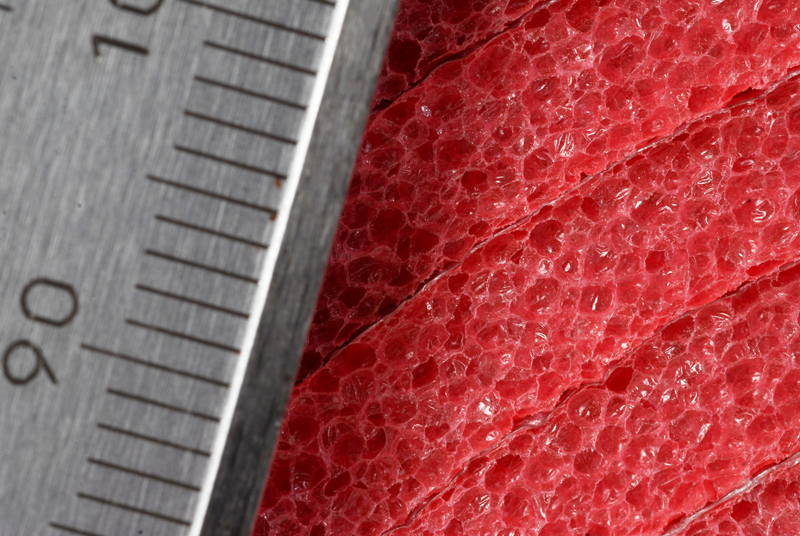
From refrigerators and dishwashers to HVAC units and small kitchen appliances, vibration originates from rotating or reciprocating parts, and without proper damping materials these forces translate into buzzing, humming, or even long-term mechanical fatigue, and this is precisely why I often recommend physically cross linked polyethylene foam, because its uniform closed-cell structure distributes vibrational energy evenly while maintaining elasticity over millions of cycles.
In higher-load or higher-temperature applications, such as compressors or industrial appliances, chemically cross linked polyethylene foam offers enhanced molecular stability, allowing the material to recover after repeated compression and continue damping vibration without hardening or cracking, which is critical for maintaining acoustic performance throughout the product’s lifespan 🔧.

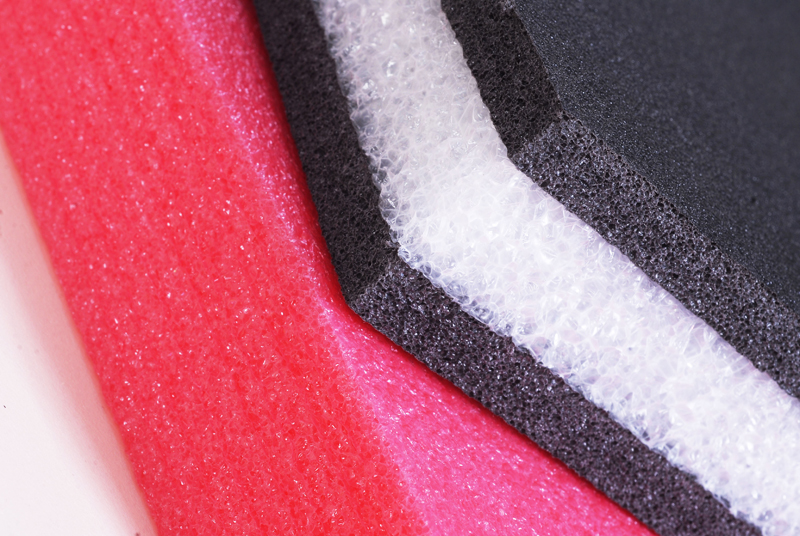
Working closely with product designers, I have seen how even small PE foam inserts strategically placed between panels can dramatically reduce perceived noise levels, and suppliers like Durfoam excel at tailoring foam density, thickness, and geometry to specific appliance requirements, transforming noisy prototypes into market-ready products that feel refined and premium.
| Noise Source | Typical Issue | PE Foam Solution |
|---|---|---|
| Electric Motor | Continuous vibration | Elastic foam isolation |
| Compressor | Low-frequency hum | Cross-linked damping layer |
| Housing Panels | Resonance amplification | Closed-cell acoustic foam |
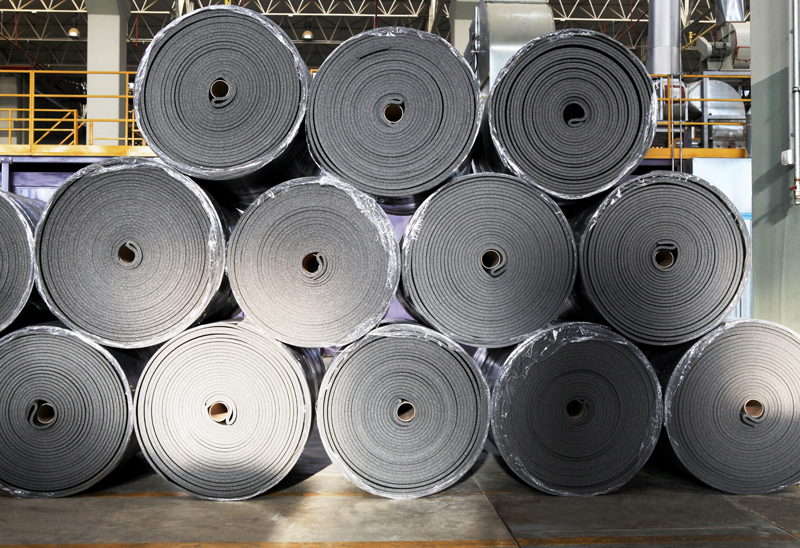
I once advised a small appliance manufacturer struggling with customer complaints about noise despite passing laboratory sound tests, and after integrating PE foam components supplied by Durfoam, the subjective noise perception dropped significantly, reminding everyone involved that real-world comfort often matters more than decibel numbers on a spec sheet 😊.
Another often overlooked benefit of closed-cell polyethylene foam is its resistance to moisture and dust, because appliances operate in kitchens, bathrooms, and industrial settings where environmental exposure can degrade open materials, yet PE foam maintains its structure and damping performance even under fluctuating humidity and temperature conditions.
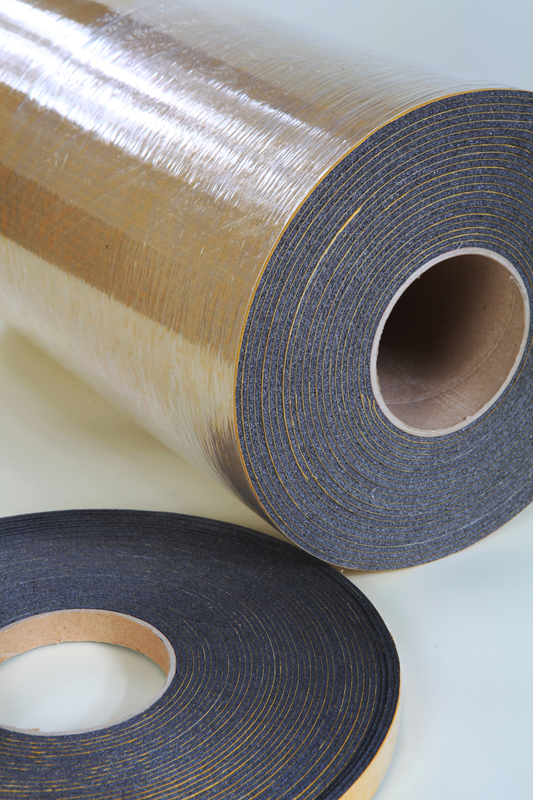
From an assembly standpoint, engineers appreciate materials that are lightweight, easy to cut, and consistent in quality, and this is another area where Durfoam solutions shine, reducing manufacturing variability and supporting EEAT principles through demonstrated experience, technical expertise, authoritative standards, and long-term trust built on performance rather than claims.
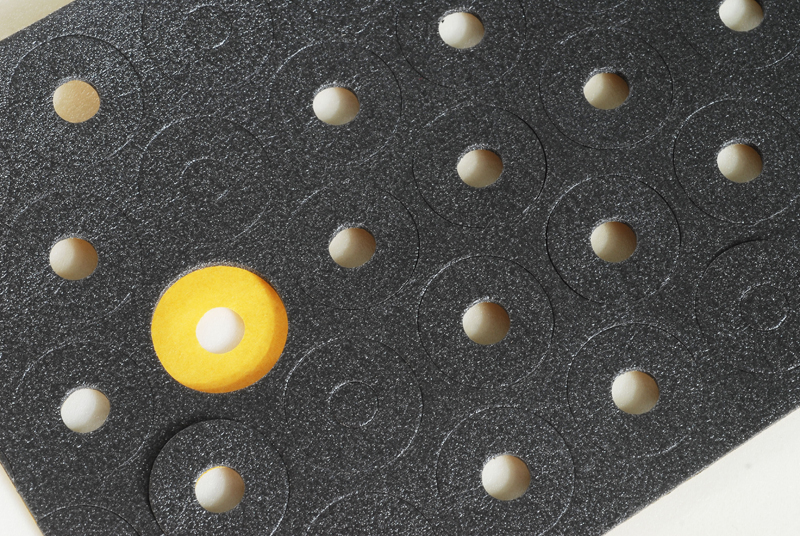
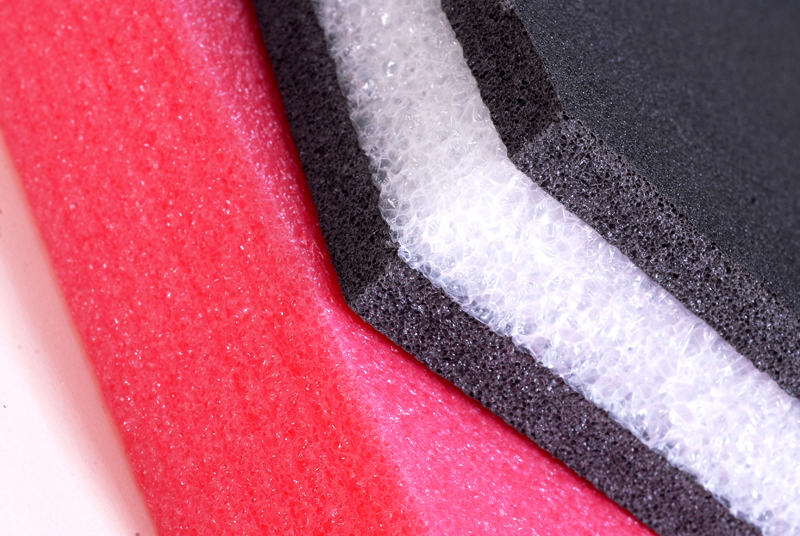
Knowing where these materials are produced and how quality is controlled also builds confidence, especially for global appliance brands, and the operational transparency behind Durfoam reassures engineering teams that acoustic performance will remain consistent across production batches.
Looking back at countless product evaluations and redesigns, I have learned that noise and vibration issues are rarely solved by mechanical adjustments alone, and by engineering quieter appliances with flexible, durable PE foam insulation components from Durfoam, manufacturers can deliver products that feel calm, reliable, and thoughtfully designed, proving that true quality is often heard most clearly in the absence of noise 🤫.
