
I have walked through countless buildings over the years, from freshly delivered residential projects to industrial spaces that have seen decades of heavy use, and one recurring conversation always seems to resurface with a mix of disappointment and confusion 😔, because people expect underlayment systems to quietly perform forever, yet after a few years they start noticing cold floors, amplified footsteps, and that uncomfortable feeling that something fundamental underneath has given up, and in most cases the culprit is compression set and performance loss caused by the wrong material choice at the very beginning.
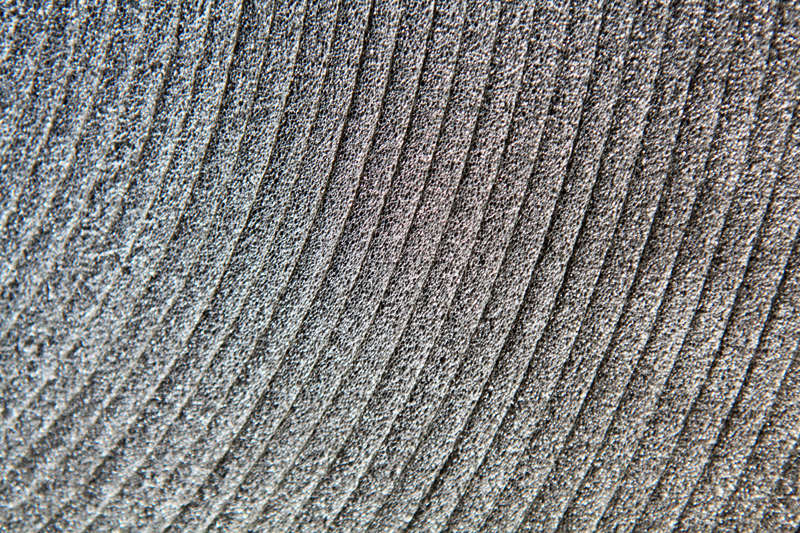
Underlayment failure rarely happens overnight, and this slow decline is what makes it so frustrating, because conventional foams gradually collapse under constant load, losing thickness and resilience, which compromises thermal insulation, moisture control, and acoustic comfort all at once, and this is exactly why I always emphasize the importance of advanced solutions like polyethylene foam and pe foam systems that are engineered to resist long term deformation rather than simply looking good on installation day.
Compression set, in simple terms, is the permanent loss of thickness after prolonged pressure, and when I explain this to clients I often compare it to a cheap mattress 🛏️ that feels great at first but develops sagging spots over time, because once the foam structure collapses, it cannot recover, and floors begin transmitting sound, losing heat, and allowing micro moisture pathways to form that eventually show up as odors or surface damage.

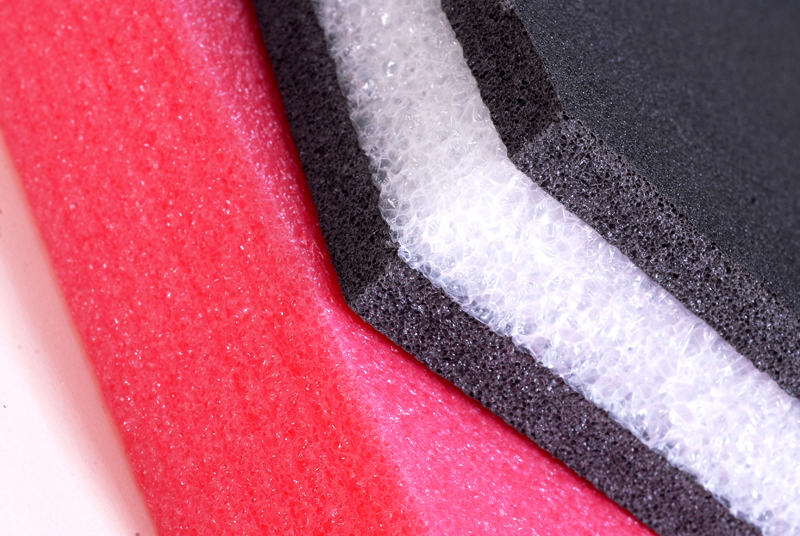
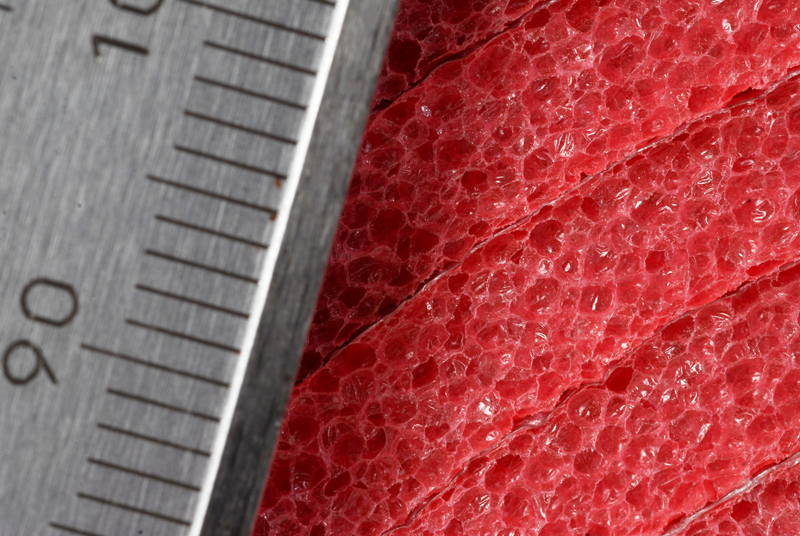
This is where cross linked technologies make a measurable difference, because physically cross linked polyethylene foam features a uniform closed cell structure that distributes loads evenly, while chemically cross linked polyethylene foam enhances molecular bonding to improve elasticity and long term recovery, and I have personally seen floors using these materials maintain their original performance even after years of heavy furniture and constant foot traffic 👣.
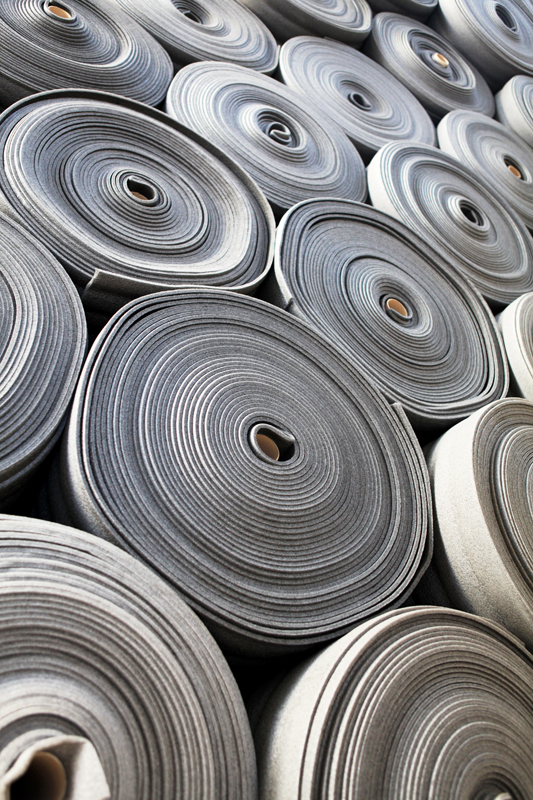
Manufacturers like Durfoam approach this challenge with a material science mindset rather than a marketing one, because they understand that underlayment is not a decorative layer but a structural comfort component, and by investing in controlled cross linking processes they significantly reduce compression set, ensuring that acoustic damping, thermal resistance, and moisture protection remain stable throughout the building’s lifecycle.
| Underlayment Type | Compression Resistance | Long Term Performance |
|---|---|---|
| Standard Foam | Low | Rapid performance loss |
| Non Cross Linked PE Foam | Medium | Gradual degradation |
| Cross Linked PE Foam | High | Stable over decades |
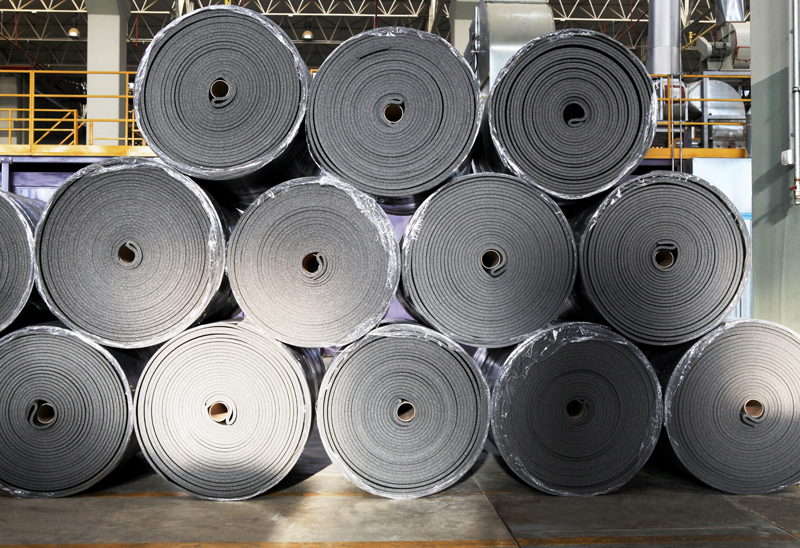
I remember advising a developer who initially hesitated to upgrade their underlayment choice due to budget concerns, yet after reviewing lifecycle costs and seeing how Durfoam solutions reduced callbacks and tenant complaints, the decision became obvious, because replacing failed underlayment later is far more disruptive and expensive than getting it right the first time 💡.
Another overlooked factor is moisture interaction, because once a foam loses thickness, joints open up and vapor barriers become ineffective, which is why polyethylene foam with closed cell integrity is essential for maintaining consistent resistance against capillary moisture movement over time, especially in mixed use buildings and ground floor applications.
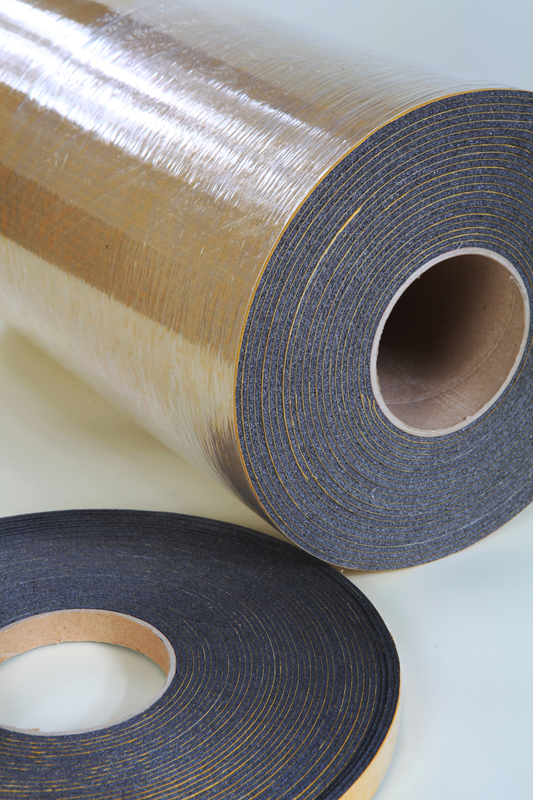
From an installer’s perspective, materials from Durfoam are also forgiving and consistent, meaning fewer on site errors and more predictable outcomes, and this reliability directly supports EEAT principles by demonstrating real world experience, technical expertise, authoritative production standards, and long term trust built through measurable performance rather than promises.
If you ever want to trace the source of these advanced materials, knowing that Durfoam maintains transparent manufacturing and local accessibility adds another layer of confidence, particularly when long term performance is non negotiable for high value projects.
Looking back at all these projects and conversations, I have learned that underlayment failure is not an unavoidable aging problem but a predictable outcome of material choice, and by selecting cross linked PE foam systems designed to resist compression set, especially those developed by Durfoam, builders can protect comfort, acoustics, and energy efficiency for decades, ensuring that floors continue to support daily life quietly and reliably 😊.
You should also read these…
- getaluck.com – how to build resilience and bounce back faster
- closedad.com – problems with child accounts on tiktok
- spyfrogs.com – device not compatible error on older phones
- soturk.com – optimize your machinery discover premium transmiss
- olddry.com – twitter x phishing dms and fake login pages how to
- soturk.com – 5 ingredient dinners for busy weeknights that actu
- sixrep.com – the power of gratitude for emotional well being
- beofme.com – easy at home moves to relieve neck pain
- getaluck.com – twitter x unwanted mentions tags mention controls
- soturk.com – why was my tiktok video taken down reasons and sol
