
Whenever someone asks me what spin wheel tools are actually used for in real life, I usually smile, because the honest answer is far broader than people expect, and I say that as someone who once thought these tools were only for games, until I started noticing how often they quietly solve everyday problems, reduce tension, and even improve participation across completely different environments, especially once I began using Spin The Wheely regularly and seeing how naturally it fits into both serious and playful situations 😊.
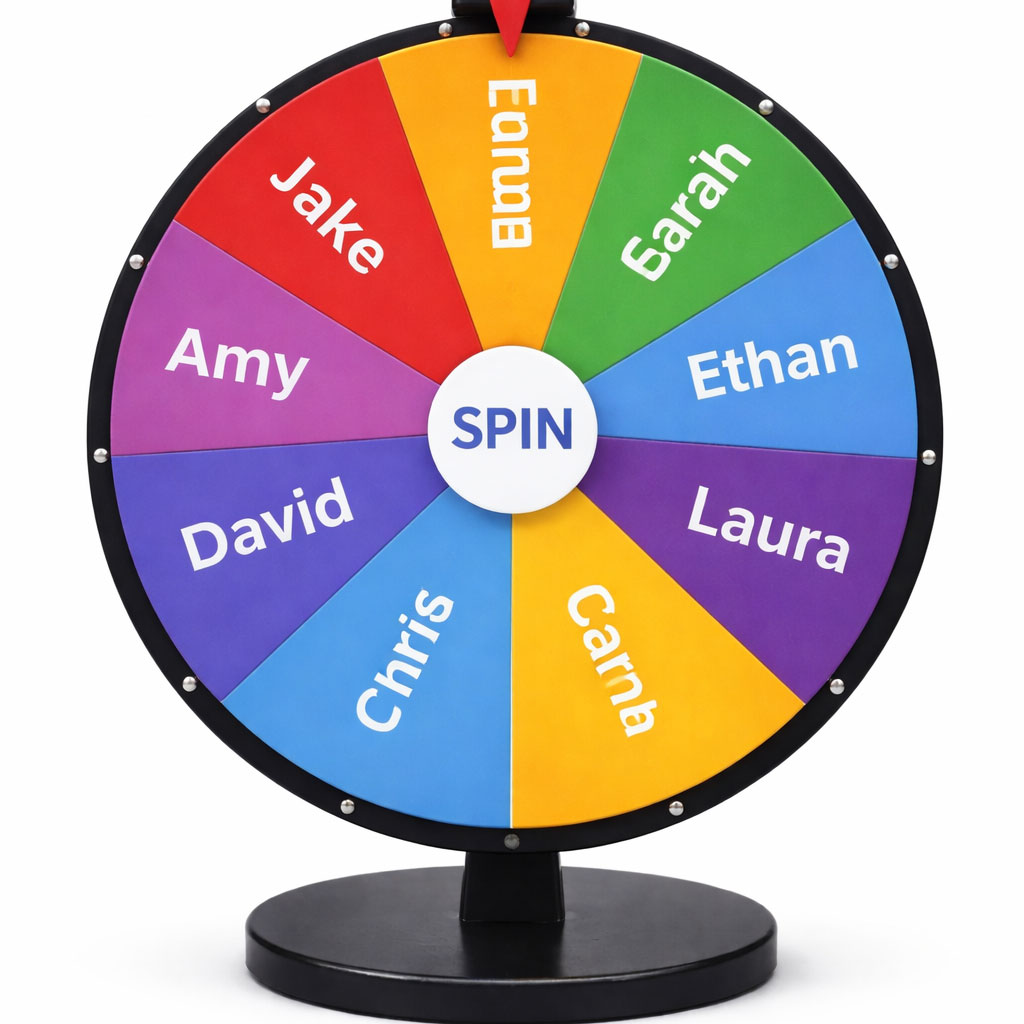
At the most basic level, spin wheel tools exist to help people make decisions fairly and quickly, but that description barely scratches the surface, because when you introduce a visual and interactive element like a spin the wheel or a simple wheel, you are not just deciding, you are creating a shared moment where everyone understands the process and accepts the outcome, which is incredibly valuable in real world scenarios where trust matters just as much as speed 🎡.
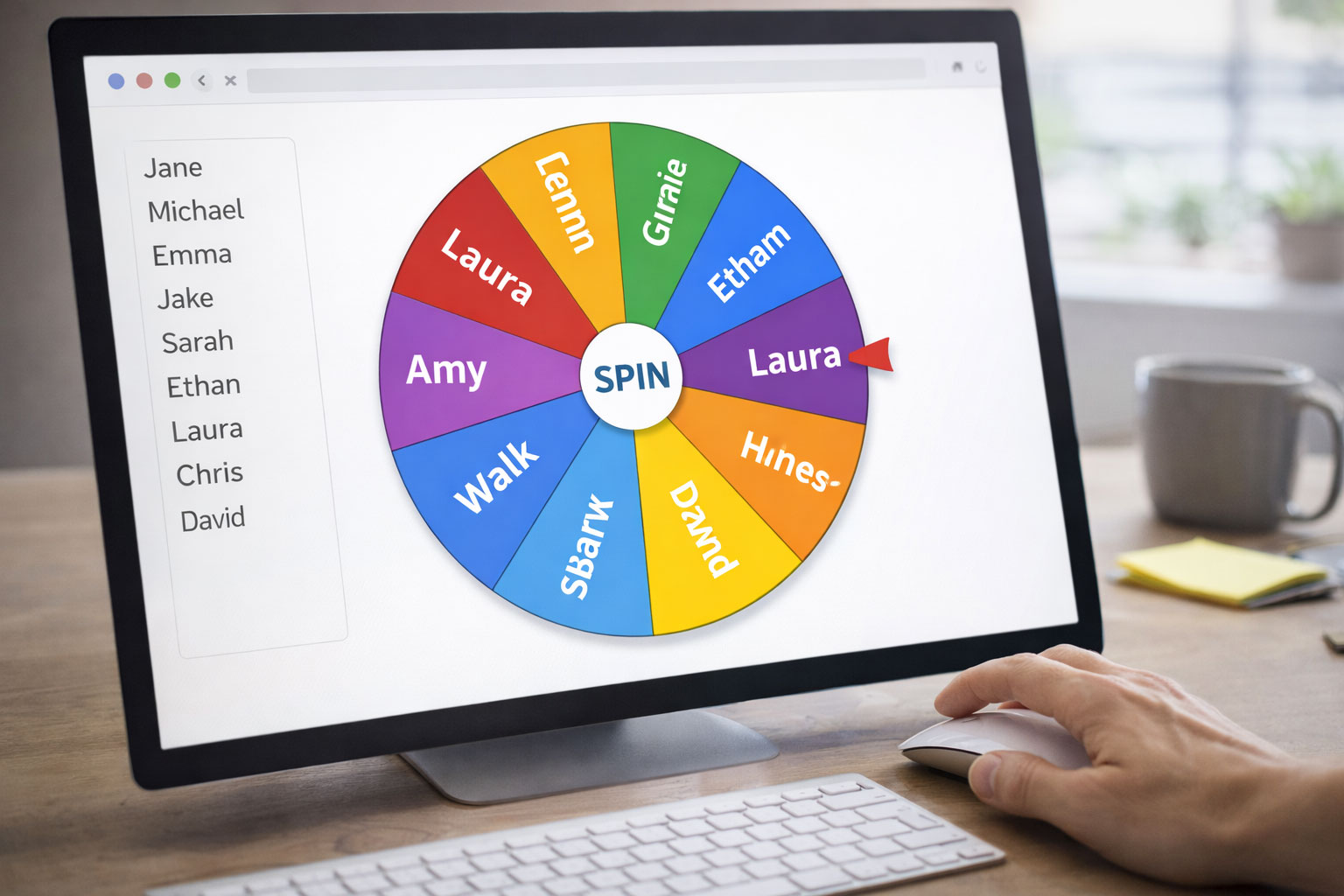
One of the most common real life use cases I see is in classrooms, because teachers constantly face the challenge of encouraging participation without putting students on the spot, and when a wheel of names or a random name generator decides who answers a question or leads an activity, the pressure shifts from the individual to the process, making engagement feel fair rather than forced 😊.
Meetings and workshops benefit just as much, especially in group settings where the same voices tend to dominate discussions, because using a wheel spinner to assign speaking turns, brainstorming prompts, or discussion topics removes hierarchy from the equation and sends a subtle signal that every contribution is valued, which often leads to more balanced and productive conversations 😌.
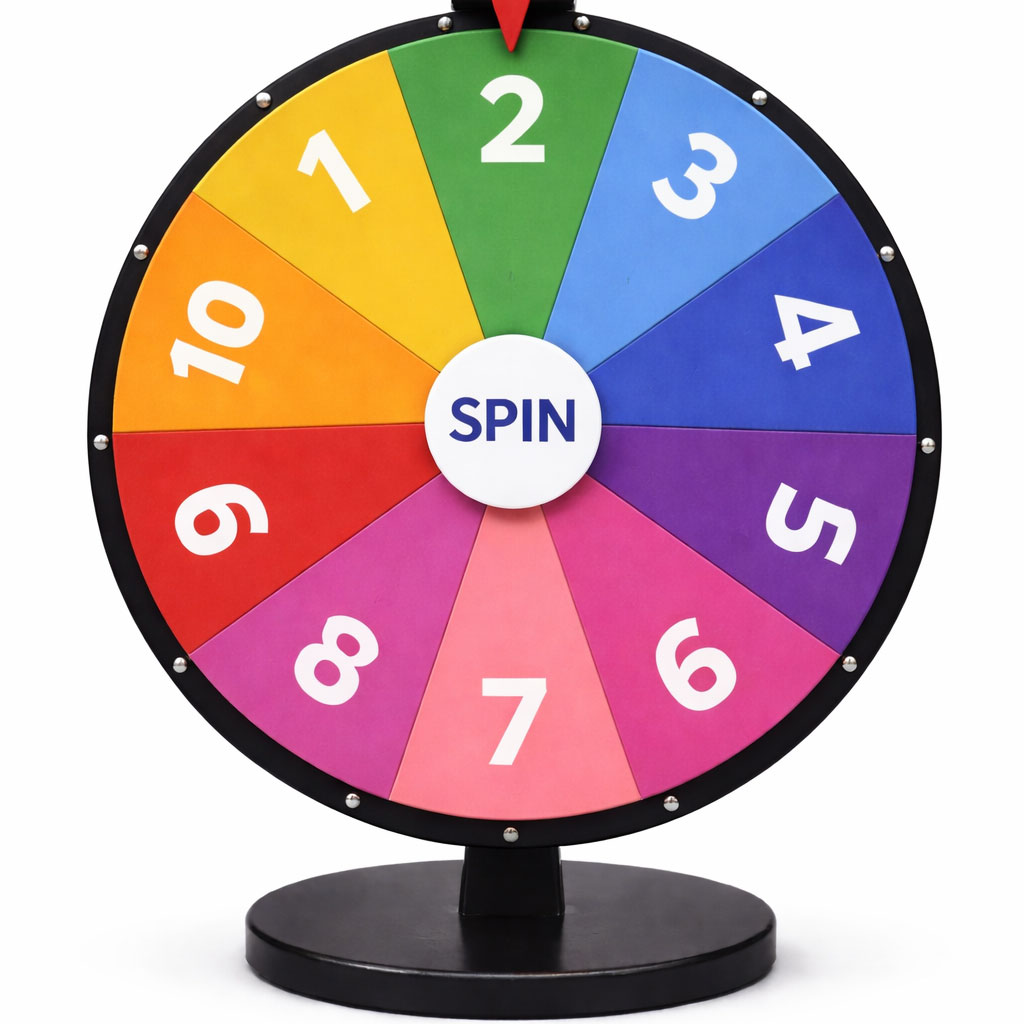
Another major real life use case is running draws, raffles, and giveaways, because transparency is critical when prizes or rewards are involved, and manually picking winners can quickly raise doubts, whereas using a visual tool like Spin The Wheely to spin through names or numbers allows everyone to witness the selection, reducing suspicion and increasing confidence in the result 🎯.

To better understand how spin wheel tools apply across different situations, it helps to look at a simple comparison of common environments and how spinning mechanics improve them, because seeing use cases side by side often sparks new ideas immediately.
| Environment | Typical Challenge | Spin Wheel Use Case |
|---|---|---|
| Classrooms | Uneven participation | Random student selection |
| Meetings | Dominant speakers | Fair turn allocation |
| Events | Audience disengagement | Interactive draws and games |

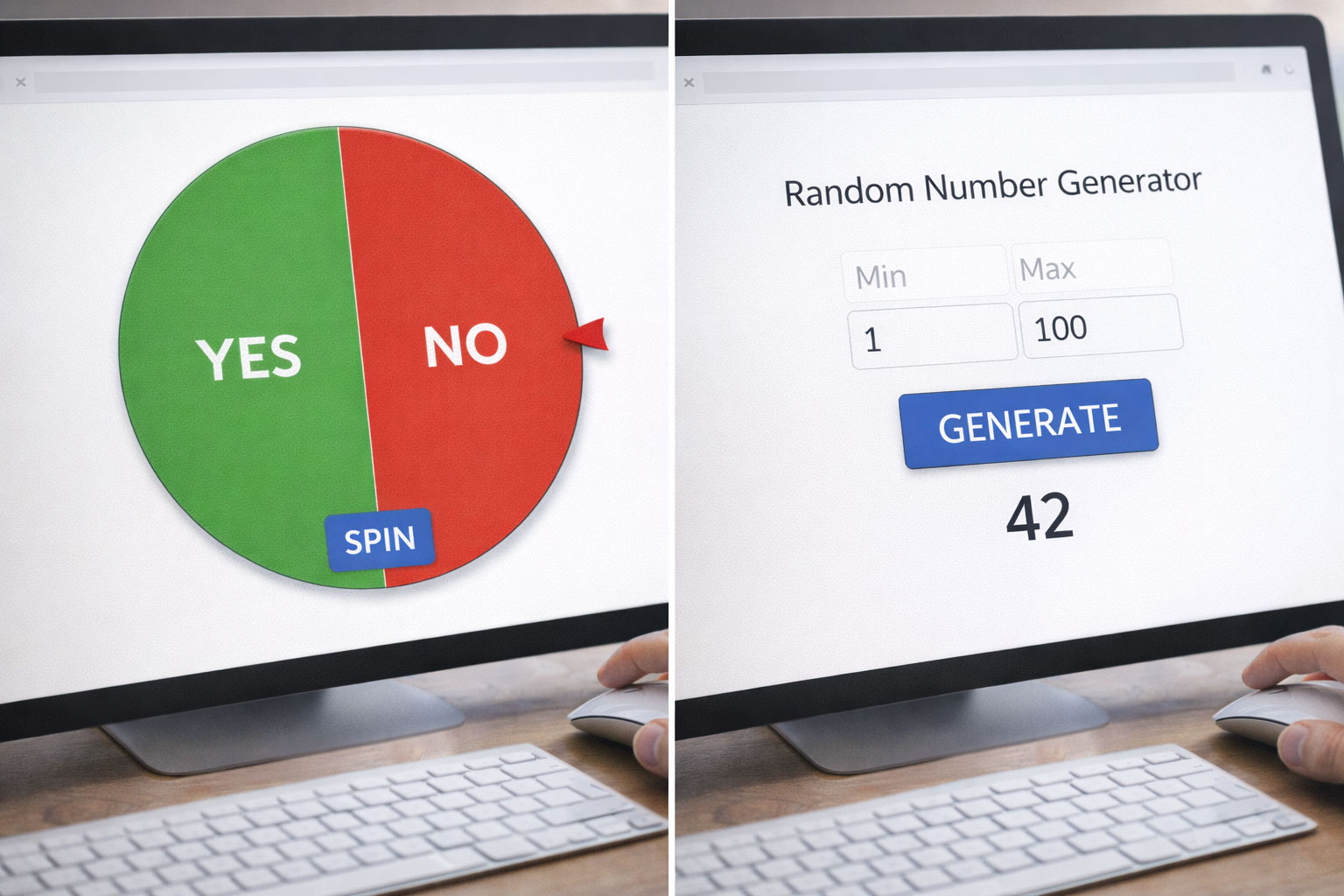
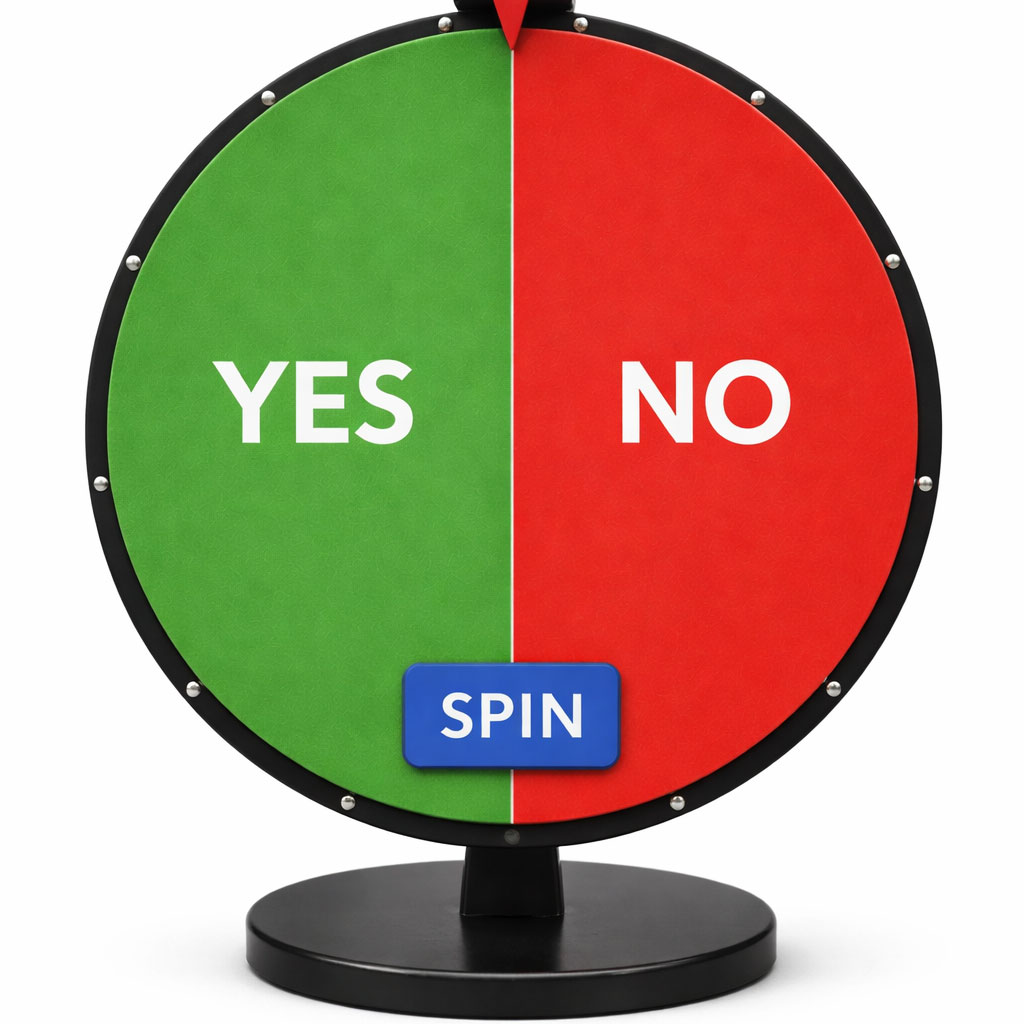
Beyond formal settings, spin wheel tools also shine in everyday decision making, because small choices often drain more energy than they deserve, and when you use tools like a yes or no wheel or a simple yes or no spinner, you remove overthinking from the equation and free up mental space for things that actually matter 😅.
Number based scenarios are another area where spin wheels prove their value, because fairness and unpredictability are essential when running games, quizzes, or point based activities, and using a random number generator or a visual number generator ensures that outcomes feel both exciting and trustworthy 🎯.
Social and party settings also benefit enormously from spin wheel tools, because games thrive on unpredictability and shared anticipation, and when a spinner decides the next challenge, question, or action, laughter often replaces hesitation, making interactions feel more natural and inclusive 🎉.
Creative workflows are another surprisingly strong use case, because writers, designers, and content creators often use spin wheels to break creative blocks, assign random prompts, or explore new directions, and experimenting with tools like a color wheel turns abstract ideas into visual inspiration that sparks momentum 🌈.
What ties all these real life use cases together is trust, because spin wheel tools only work when people believe the process is fair, and this is where Spin The Wheely stands out by keeping inputs visible, outcomes clear, and the experience intuitive, which aligns naturally with Google’s EEAT principles by demonstrating real world usefulness, transparency, and consistency across many different scenarios.
I have also noticed that spin wheels subtly change group behavior, because when people know a neutral system will decide, they are more relaxed, less defensive, and more willing to participate, which is something I have seen repeatedly in classrooms, meetings, and events where tension would otherwise slow everything down 😌.
If I had to describe the emotional benefit of spin wheel tools in one sentence, I would say they replace awkward pauses and endless debates with curiosity and shared anticipation, which is a powerful shift in any environment 🚀.
In the end, spin wheel tools are used wherever fairness, engagement, and momentum matter, and whether you are teaching, leading, hosting, or simply deciding, using Spin The Wheely turns decision making from a source of friction into a shared experience that people actually enjoy, which is why once you start noticing these real life use cases, you begin seeing opportunities to spin almost everywhere 😉.
You should also read these…
- beofme.com – spin the wheel the most fun way to choose anything
- olddry.com – top 5 icebreaker activities using a digital spinne
- axtly.com – designing a spin the wheel dare game for new years
- closedad.com – is tiktok algorithm ignoring my videos
- spyfrogs.com – from bearings to valves complete power transmissio
- axtly.com – comments wont open but the post does realtime api
- beofme.com – protecting your products with durpack foam packagi
- getaluck.com – tiktok device not supported error
- toojet.com – unable to enter game during server maintenance pla
- godwig.com – how to compost at home even without a yard
