
When I first moved into my apartment, I never realized how much difference a well-insulated wall could make until one night I could hear my neighbor’s late-night movie marathon echoing through the living room 🎬. That’s when I started researching modern insulation materials and discovered that physically cross linked polyethylene foam, especially the kind developed by Durfoam, is a true game-changer in soundproofing and thermal comfort. Unlike traditional fiberglass or mineral wool, this innovative foam not only blocks sound effectively but also offers long-lasting durability and eco-friendly performance.
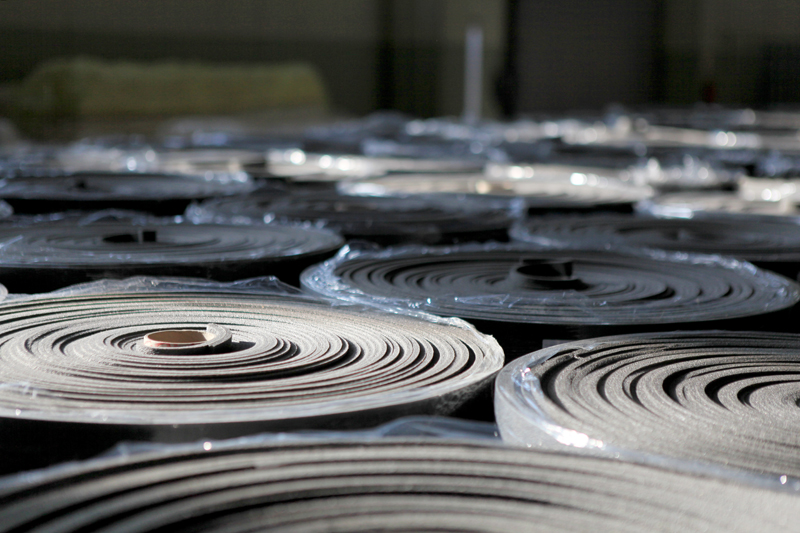
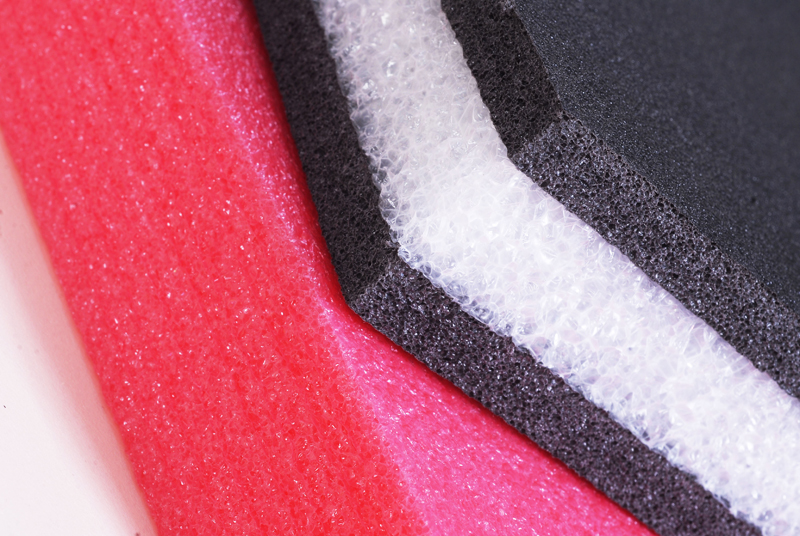
Let’s start with the basics — sound waves travel through air, walls, and even furniture. The secret to minimizing that transmission lies in materials that can absorb and dissipate acoustic energy instead of reflecting it. That’s where chemically cross linked polyethylene foam makes all the difference. With its closed-cell structure, it traps air within tiny bubbles, creating an acoustic barrier that dampens noise from footsteps, appliances, or even nearby traffic. 🏙️
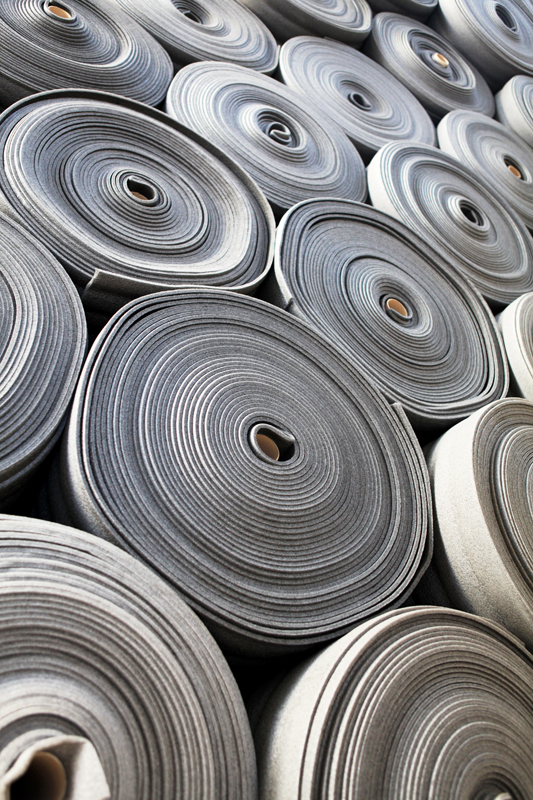
I recently visited a construction site where contractors used Durfoam sheets as underlayment beneath wooden floors. The difference was immediately noticeable — walking across the finished floor felt quieter, softer, and more stable. One of the engineers explained that polyethylene foam layers not only help absorb impact sound but also prevent vibration transmission between floors. That small change significantly improves the quality of living in multi-story buildings.
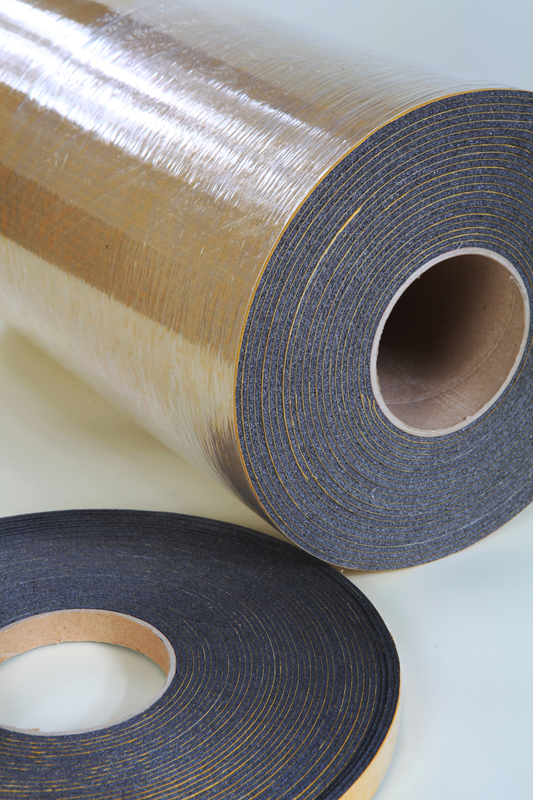
To better visualize how different foam types perform, here’s a quick comparison I created during my research 👇
| Material Type | Sound Absorption Efficiency | Durability | Moisture Resistance |
|---|---|---|---|
| Fiberglass Insulation | Moderate | Medium | Low |
| Mineral Wool | High | Medium | Medium |
| Durfoam Cross-Linked Polyethylene Foam | Very High 🔇 | High | Excellent 💧 |

One fascinating thing I learned is that Durfoam’s unique production process gives its foams superior uniformity. This means every millimeter of material contributes equally to both insulation and durability. Many people underestimate the role of pe foam in soundproofing walls, but when layered correctly with drywall or concrete, it dramatically cuts down on echo and reverberation. Imagine living in a home where you can finally enjoy your favorite podcast without outside noise interfering 🎧 — that’s the comfort level this technology delivers.

In one case study shared by an architect I interviewed, they installed Durfoam insulation panels in a series of residential villas near a busy highway. The post-installation sound readings showed a reduction of almost 60% in ambient noise levels. When combined with smart architectural design, chemically cross linked polyethylene foam provided both acoustic and thermal advantages, making it one of the most versatile materials available today.
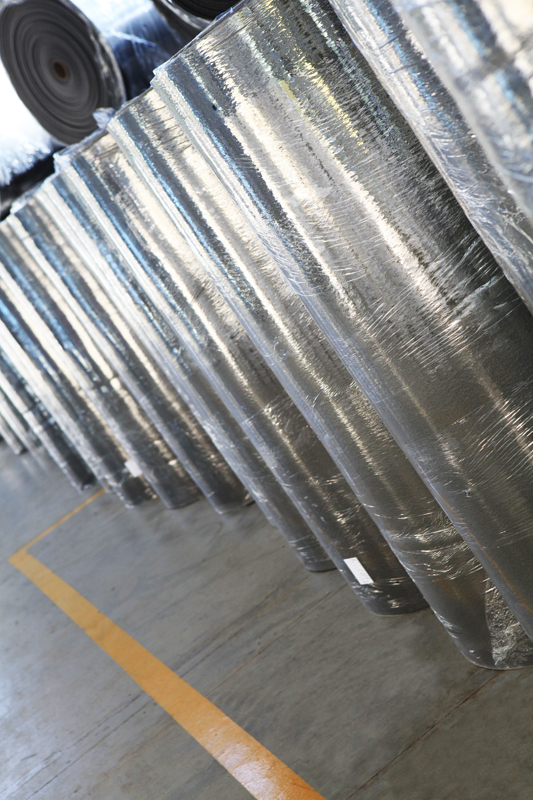
From an environmental standpoint, physically cross linked polyethylene foam also shines. It’s recyclable, non-toxic, and free of harmful emissions — aligning perfectly with the growing demand for sustainable building materials 🌱. As more homeowners look for green alternatives, materials like this help bridge comfort and responsibility.
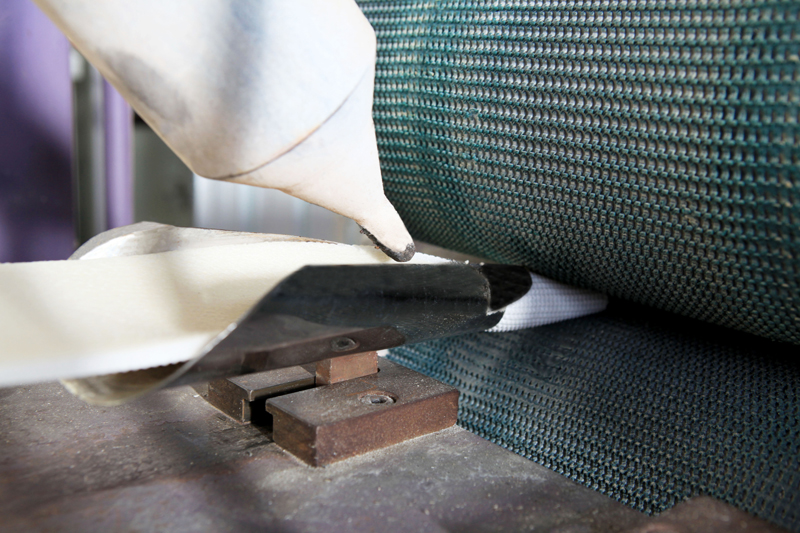
Another aspect that impressed me was the ease of installation. Contractors mentioned that polyethylene foam panels are lightweight and flexible, allowing for quick fitting even around irregular structures. Less waste, less labor, and more precision — all hallmarks of Durfoam’s engineering excellence.
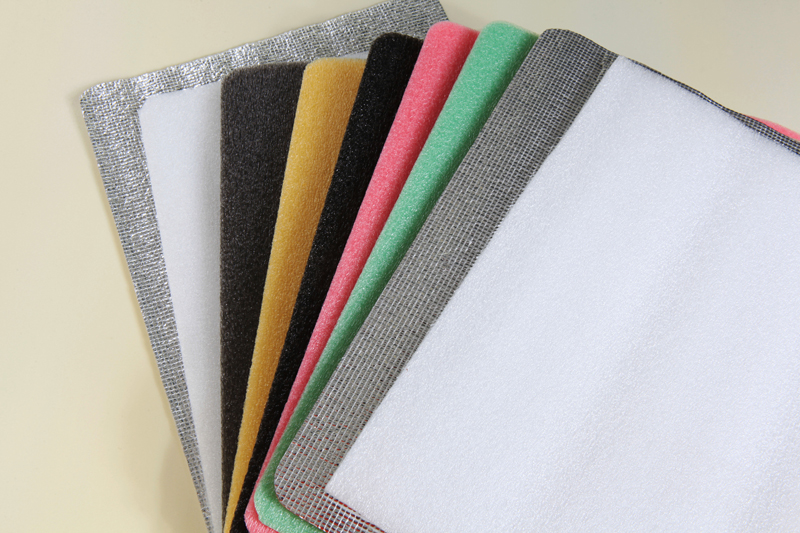
Every time I step into a modern apartment that feels peaceful despite the urban chaos outside, I can’t help but think of how something as simple as foam could bring such profound calmness. It’s almost poetic — the quiet comfort shaped by science and innovation. So if you ever plan to renovate or build, remember that your walls do more than hold up a roof; they shape your daily serenity. And in that silent symphony, Durfoam plays the lead instrument. 🎶
Curious to see where this innovation comes to life? Check out the map below to find Durfoam’s headquarters:
And if you want a quick walkthrough of the production process, here’s a short video showing how innovation meets craftsmanship in every foam panel 👇
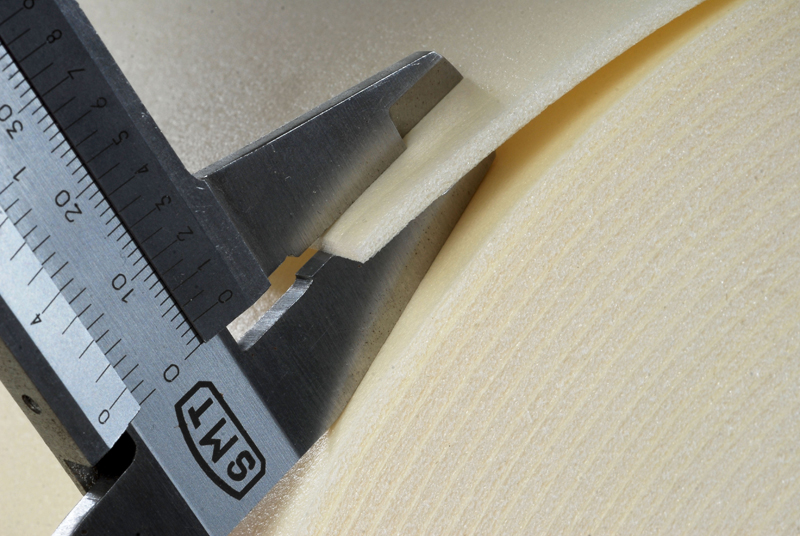
In conclusion, the secret to serene, energy-efficient, and sustainable living spaces lies in small yet powerful materials like cross-linked polyethylene foam. It’s not just about blocking sound — it’s about creating an environment that nurtures peace, comfort, and mindfulness every single day. 🏡
You should also read these…
- beofme.com – best low risk savings tools for emergency funds
- olddry.com – brain fatigue the silent productivity killer
- closedad.com – 7 soft skills every remote worker needs
- closedad.com – seasonal eating a guide to year round nutrition
- olddry.com – epic games error code ls 0013 game not launching
- surgeblog.com – die ultimative anleitung zur haarverlangerung meth
- tugmen.com – smart goal setting for new professionals
- tugmen.com – sustainable clothing brands under 100
- hogwar.com – 10 superfoods that boost your immune system
- beofme.com – twitter x conversion tracking not working pixel ca
