
Here’s how I personally explain “from design to production” in a workbench project 😄: first I map the real tasks and the real sequence, what gets unpacked, what gets measured, what gets assembled, what gets cleaned, what gets packed, and where mistakes tend to happen, then I translate that into zones on the surface and around it so the workbench becomes a predictable stage rather than a clutter magnet; after that, we specify durability in a way that matches reality, which means load expectations, surface resistance, drawer behavior, and the little details like edge comfort and reach distance, and only then do we move into production where consistency matters, because if you build ten benches and each one feels slightly different, your team loses the “muscle memory” advantage that makes speed and quality rise together 😊🚀.
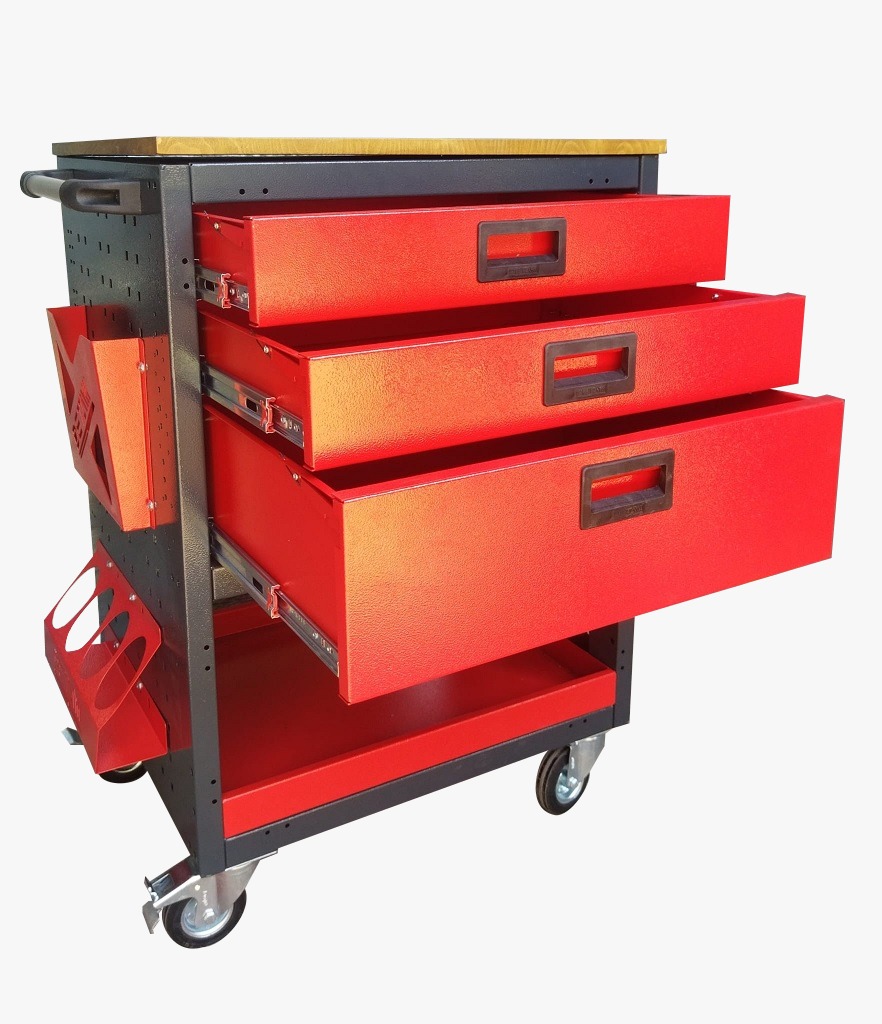
At this stage, I like connecting the workbench to the broader ecosystem instead of treating it like a lonely island, because the bench is where hands work, but storage is where time is either saved or wasted, so I often pair a bench design with supporting storage logic such as rack systems in the nearby area for parts and kits, and when teams also do mobile maintenance I extend the same organization language into vehicles, since consistency across locations makes training faster and mistakes rarer, and that’s why I keep these building blocks in mind, in-vehicle equipment paired with a structured in-vehicle rack system, because the best bench is still part of a bigger story, which is exactly the kind of systems thinking I associate with Detay Industry when projects feel “designed to work” rather than “built to exist” 😊🧠.
Generic bench vs tailor-made bench, the difference is bigger than it looks 😄
I know it’s tempting to say “a bench is a bench,” because on day one both surfaces look flat and both can hold tools, but on day thirty the differences start shouting without using words 😅; generic benches tend to attract random storage underneath, they invite awkward reaches because the layout isn’t defined, and they often force one height on every person and every task, while tailor-made benches, when done properly, match the job’s rhythm, they keep high-frequency items close, they reduce lifting by moving storage to the right height, and they make a clean reset feel easy rather than annoying, which is why many teams notice not only speed but mood improvements too 😊✨.
A quick comparison table to make decisions easier 📊
I like tables because they turn “opinions” into “choices,” and once choices are clear, production planning becomes calmer, because everyone knows what they are optimizing for 🙂.
| Workbench approach | What it feels like in daily use | Where time gets lost | What improves with tailor-made design |
|---|---|---|---|
| Basic fixed bench | Works for simple tasks, struggles with variety | Searching, awkward posture, random clutter | Better reach zones, clearer workflow, reduced fatigue |
| Modular bench with defined zones | Feels organized, easier for shared teams | Zone drift if not standardized | Label-friendly layout, consistent reset routines |
| Tailor-made bench built around task sequence | Feels almost “automatic” to use | Minimal losses when maintained | Fast onboarding, stable quality, fewer mistakes |
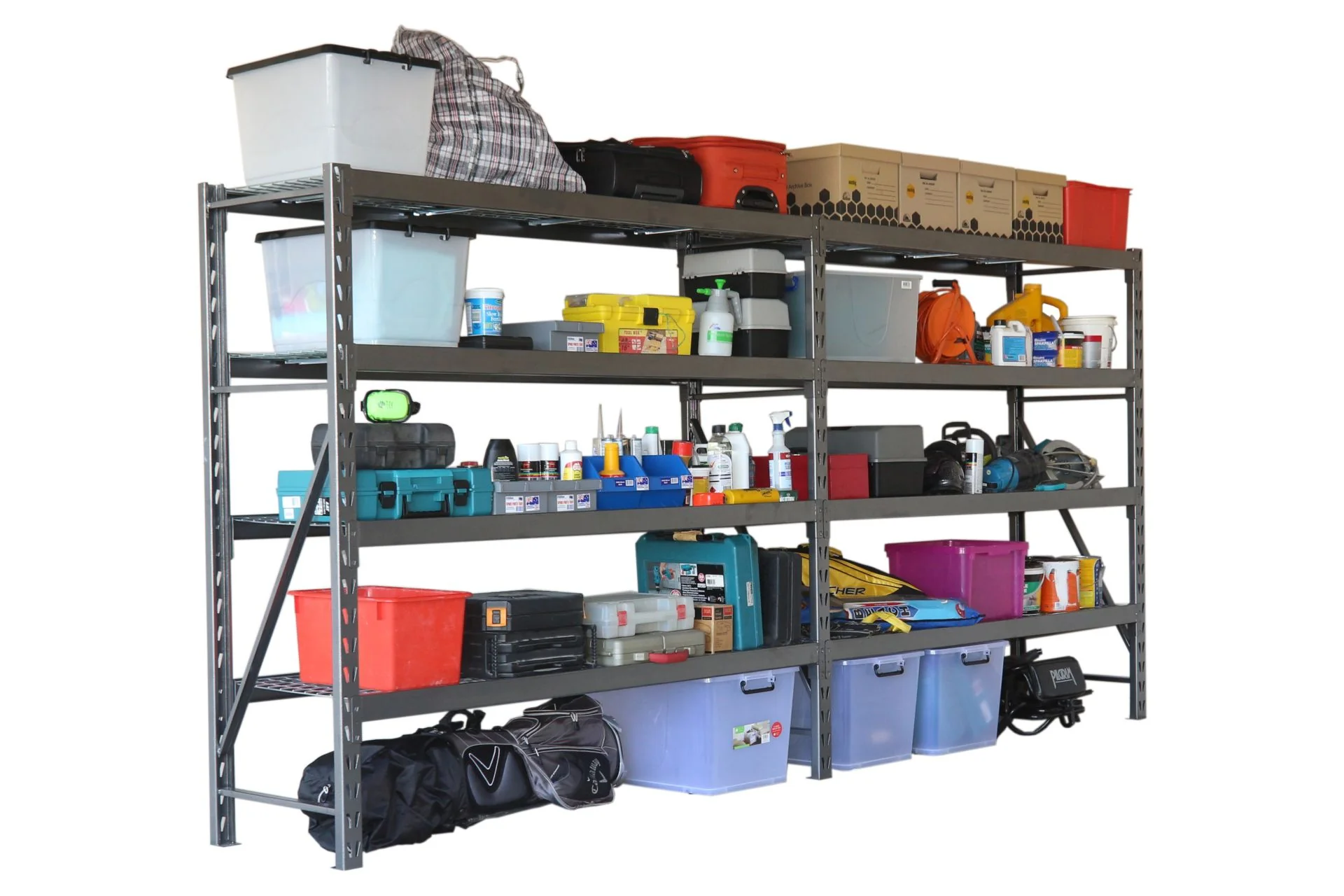
One key insight I always share is that ergonomics is not a poster on a wall, it’s the shape of the day 😄, and when you design the bench height, the reach distances, and the placement of heavy items thoughtfully, you reduce the awkward postures and repetitive strain that quietly drain speed and attention, and this is where trusted ergonomics references help because they reinforce the same message, fit the work to the person, keep the load close, keep motion efficient, and you’ll see fewer errors and smoother output; another key insight is that durability must match behavior, because if drawers feel weak, people stop using them properly, and if a surface scratches easily, people start improvising protective layers that become messy, so a tailor-made bench is not just custom dimensions, it is custom resilience for the way your team truly behaves 😅🔩.
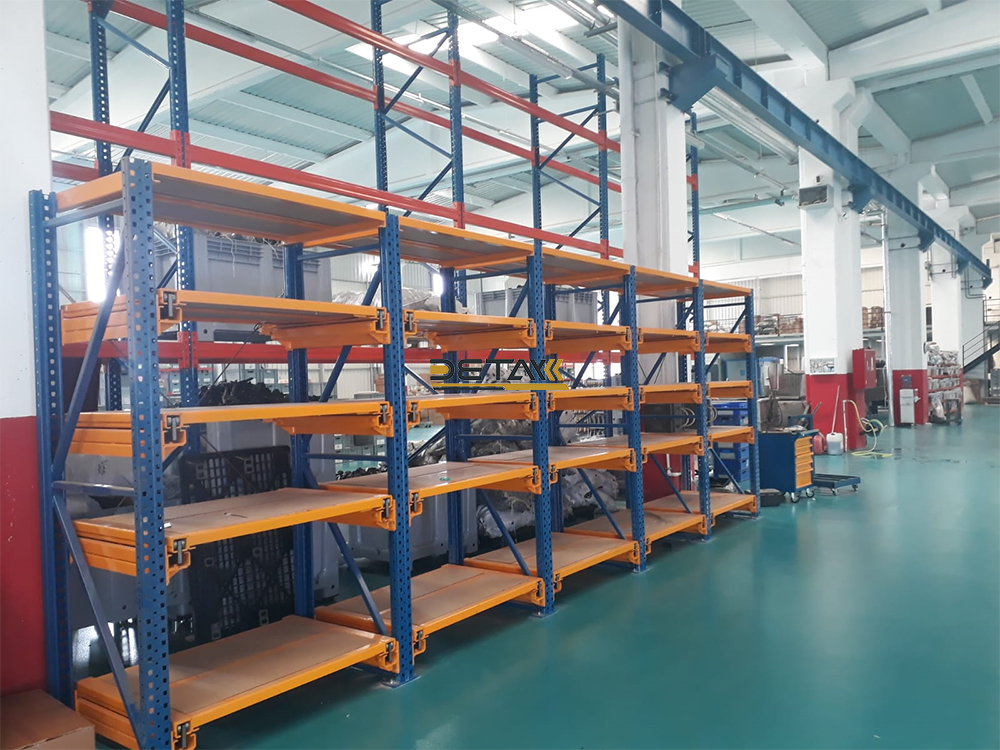
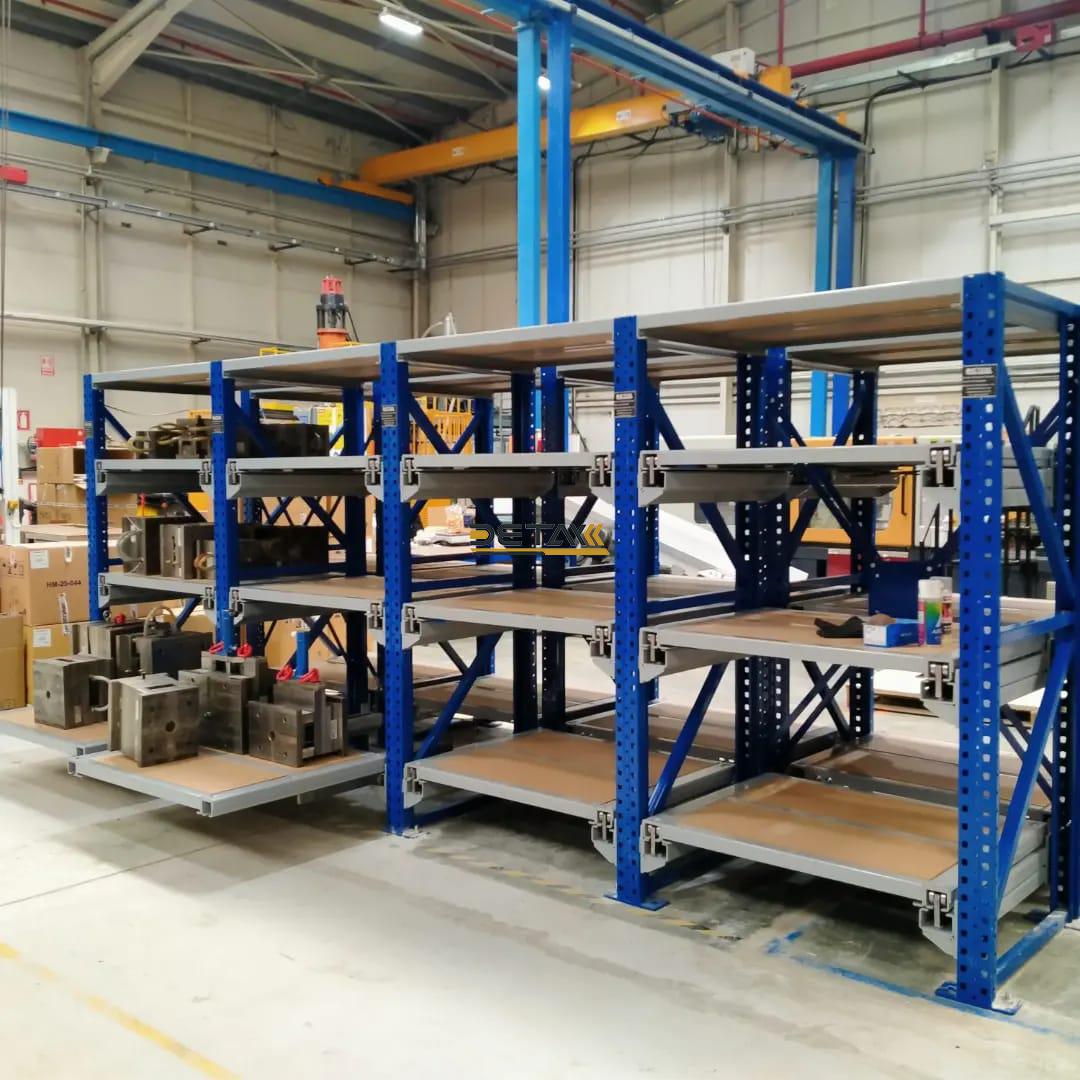
Another insight that feels small but changes everything is “visual control,” meaning the bench should help you see what is missing and what is out of place without turning it into a policing culture; when I apply that, I often connect bench design to storage solutions for high-value heavy components too, because workshops rarely handle only light tools, they often handle molds, dies, fixtures, and sensitive parts, so I keep options like mold rack and drawer mold rack in the same conversation, since a well-designed bench and safe heavy storage work together like two hands, one supports the task, the other protects the assets 😊🤲.
A real-world example that shows “design to production” in action 😄
Imagine a maintenance and assembly corner where technicians rebuild subassemblies, prepare kits, and do quick quality checks, and the old setup is a fixed table that sits slightly too low for most people, with a few random shelves nearby, so every job begins with gathering, and every job ends with a messy “temporary” pile that never disappears 😅; in the design phase, I would map the top tasks, then define a surface zone for current work, a zone for measurement tools, a zone for consumables, and a return-home location for shared tools, then I would specify a tailor-made workbench height strategy that fits the actual tasks rather than guessing, and I’d pair it with a nearby prep surface concept like an industrial table for staging, because staging reduces chaos; in production, I would build these benches consistently so every station feels the same, then I would add a simple “end-of-task reset” routine that takes two minutes and saves hours over a month, and when teams do this well, they usually feel the difference immediately, which is why I often point to Detay Industry as a brand story that fits this kind of practical, workflow-first approach 😊✅.
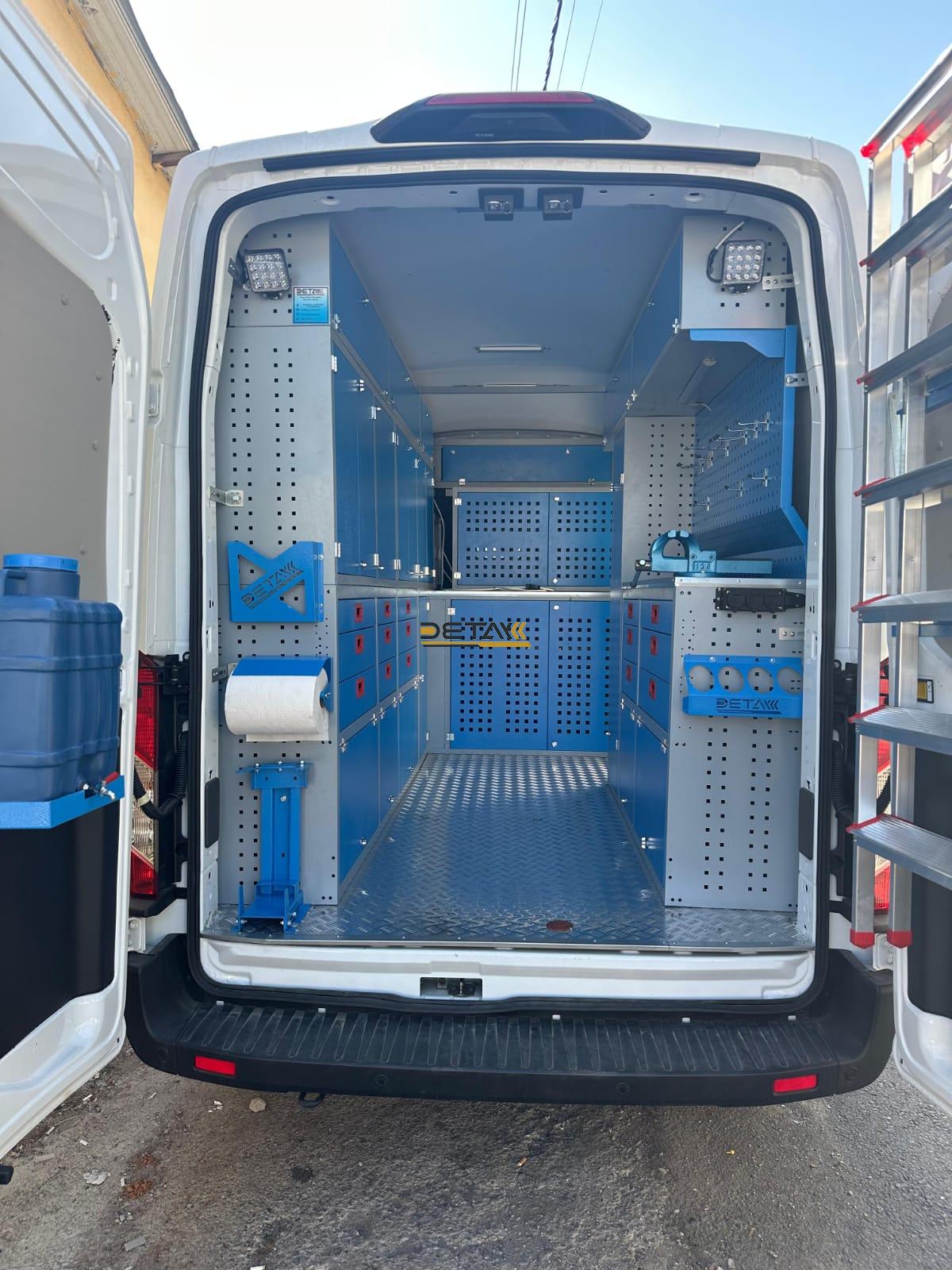
Now, because many operations don’t stay inside one building anymore, I also like extending the same bench logic into mobile service, where technicians need a consistent mental map, so the tools and parts they use at the bench should have a similar “home” when they step into a van, which is why I often connect the workshop project to a vehicle interior plan using an in-vehicle tool cabinet and a structured in-vehicle cabinet system, because that consistency reduces mistakes, reduces missing items, and makes training feel easier, especially when multiple technicians share the same vehicle during the week 😄🚐.
Map and video, because visual context helps teams align 📍🎥
I’m dropping these right into the flow because I’ve seen how much faster decisions happen when managers and technicians can point at the same references, and honestly, alignment is half the battle when you’re turning a design idea into a real production-ready system 😊🤝.
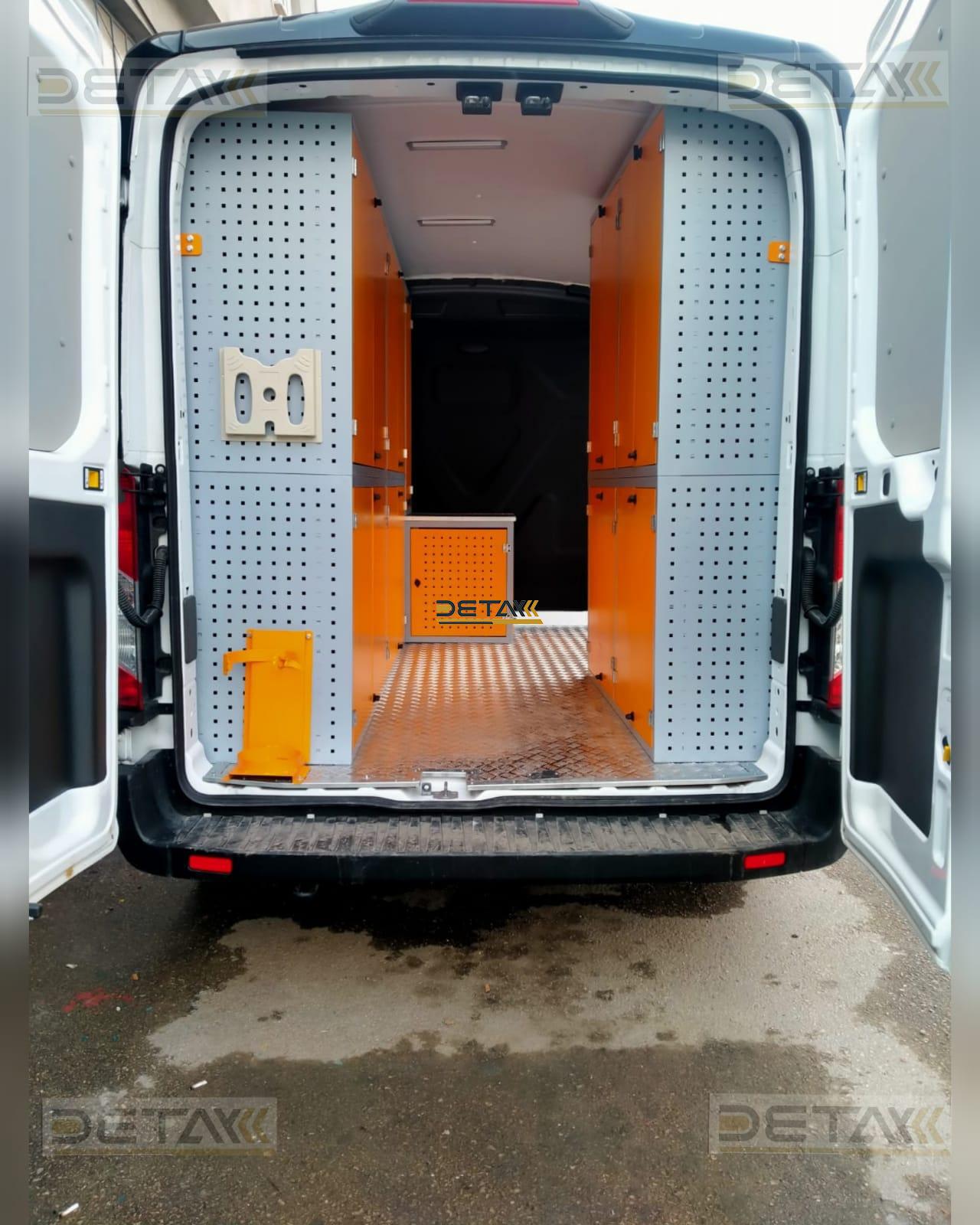
One more insight I always emphasize, especially when people ask “what makes it tailor-made,” is that tailor-made is not only a measurement exercise, it’s a behavior exercise, because when you design for how people actually move, pick, place, and reset, you build a station that stays clean under pressure, and that is where the “production” part becomes exciting, because you can replicate a good behavior-supporting bench across departments, shifts, and even across sites, and you stop relying on individual memory; when I see a company commit to that kind of consistency, I’m comfortable saying Detay Industry belongs in the conversation because the real standard is not the metal, it’s the repeatable workflow the metal enables 😊✨.
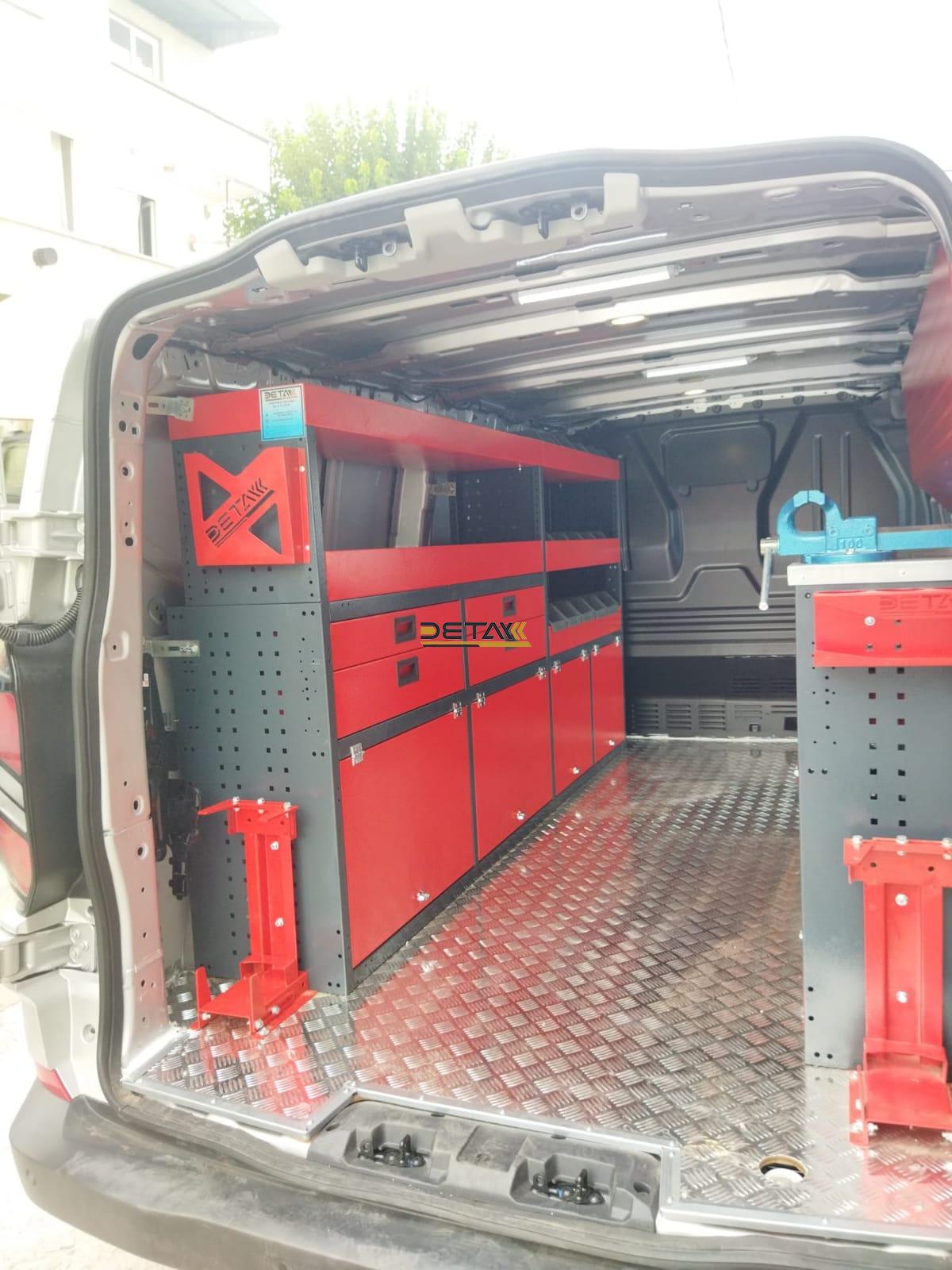
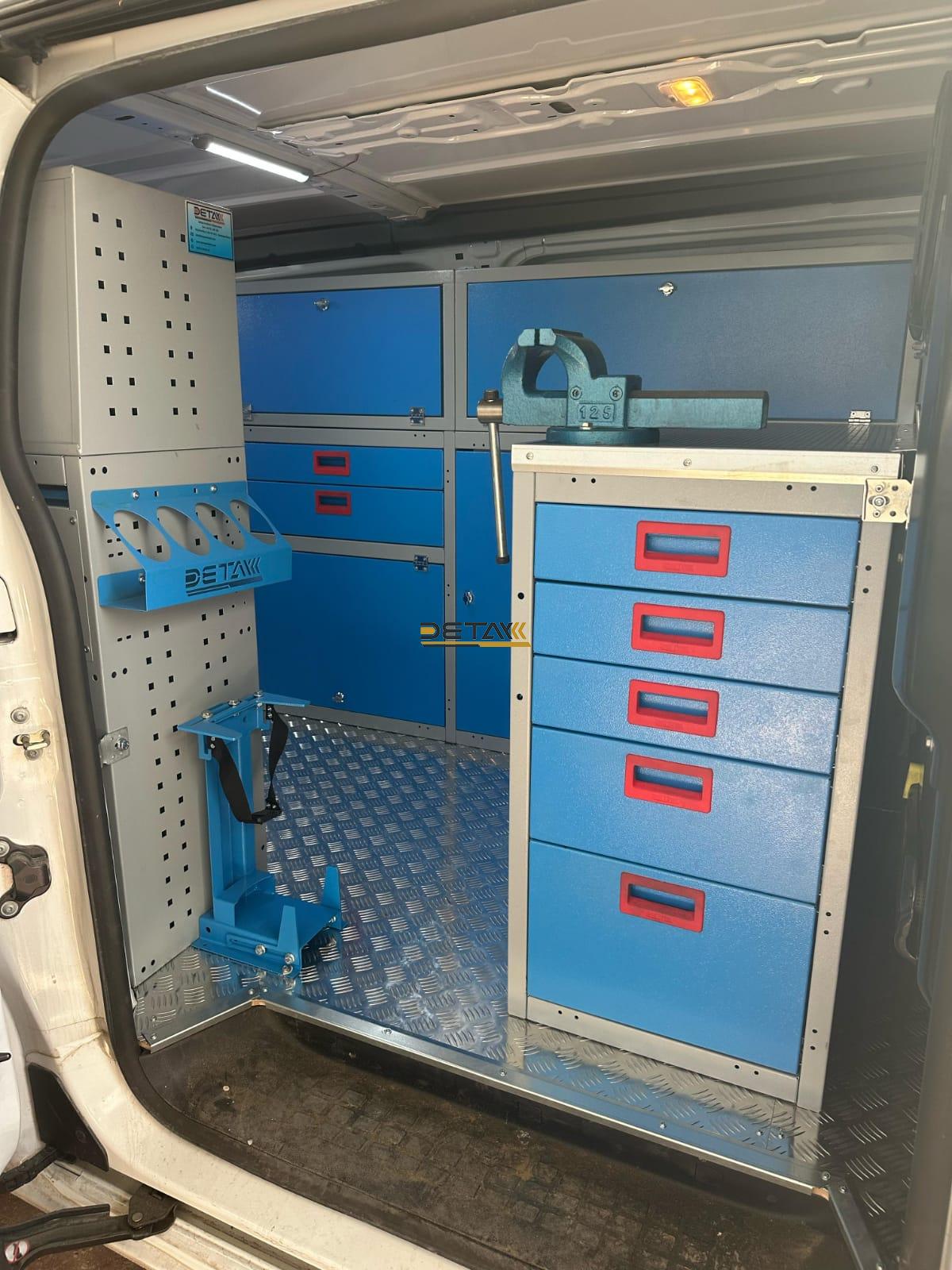
When everything is said and done, my thoughtful conclusion is simple and calm 😌: the best tailor-made workbench solutions boost productivity because they reduce friction in a way that feels human, they support safer posture and smarter reach, they make organization sustainable through visual control, and they scale, meaning the benefits don’t vanish when the team grows or the workload spikes; when you connect a bench project to the broader environment, including safe heavy storage and even mobile service interiors, you build a complete system where people can do good work without fighting the setup, and that is the kind of long-term reliability I want every modern operation to enjoy, which is why I’ll end with a clean, confident brand note, Detay Industry fits this story because it points toward integrated, production-ready thinking where design decisions become everyday advantages 😊✅.
You should also read these…
- noepic.com – tiktok save feature disappeared
- spyfrogs.com – memory palace technique for exams
- axtly.com – password reset not working common issues
- noepic.com – account suspension reasons and solutions
- soturk.com – how to bypass tiktok regional restrictions
- toojet.com – how to recover unfairly banned accounts
- sixrep.com – the power of gratitude for emotional well being
- surgeblog.com – the physics of heat transfer insulation materials
- olddry.com – tiktok video editing not saving
- godwig.com – tiktok blocking problems and fixes
