Understanding the actual challenge behind indoor pool condensation
Warm pool water evaporates, raising indoor moisture content and the air’s dew point. When moist air reaches glass, frames or another surface colder than that dew point, water forms on the surface. ASHRAE highlights the importance of controlling humidity, air distribution, building pressurisation and the temperature of exposed construction elements. I would not translate a theoretical calculation directly into a shopping list without first checking the boundary conditions, because the result can change when a valve moves, the weather shifts or the number of users doubles. 🔍 A sensible specification names the operating conditions it covers, states what remains uncertain and identifies the measurements needed before purchase. That protects the buyer from false precision and gives the installation team a practical reference whenever the project changes. For anyone mapping the wider decision, the ideas behind swimming pool pumps can also reveal what depends on this particular technical choice and what should be dealt with elsewhere in the project.
I use the guidance in ASHRAE Handbook, Indoor Swimming Pools as a reference point, with an important distinction: ASHRAE describes evaporation, space humidity, air movement and building surface dew point as interacting design variables in indoor aquatic rooms. The detailed specification still has to reflect the real property, applicable local requirements and the particular product documentation. The technical principle helps frame the question; a local survey and measured conditions supply the final answer. 📚
What I would verify before a final specification
I would calculate evaporation for occupied and unoccupied periods, check glazing and thermal bridges, examine the vapour control layer and size dehumidification together with ventilation. Air needs to reach cold glazing without producing uncomfortable drafts for swimmers. I always reserve space for maintenance in the first drawings, because a technician should not have to break finished stone or remove unrelated pipes simply to reach a sensor, valve or service panel. 🧰 Clear labels and isolation points reduce the time needed to understand a fault, while a clean dry access route makes regular inspection more likely to happen. These requirements are less glamorous than the visible finish, but they often determine how satisfied owners feel after several years. If a construction team is evaluating swimming pool chemicals, I would insist that those details appear on coordinated drawings instead of accepting them as verbal promises. 🔍
My practical process is to ask for the client’s normal routine, define the expected peak or abnormal condition, check the physical constraints and write down who is responsible for each interface. This matters because a mechanical contractor may optimise a machine, an architect may optimise the view and the owner may focus on comfort, while the final result depends on all three priorities fitting together. I would invite the team to clarify what happens at startup, shutdown, routine use and service rather than looking only at full-power operation. A discussion of concrete swimming pools can be useful here when the surrounding pool or wellness programme has not yet been fixed.
Comparing the realistic alternatives
Increasing ventilation alone sometimes helps in cold dry weather but can waste heat or fail under humid outdoor conditions. A dedicated dehumidifier with heat recovery can be attractive, yet its value depends on room load, available heat sinks, capital cost and the required fresh-air rate. My preferred comparison uses the same assumptions for all choices and separates what is easy to see from what becomes important after a few years. I would ask whether an option is easy to inspect, whether a competent service team can obtain parts and whether the owner will actually use the promised controls. The cheapest option on paper may or may not be the cheapest one to operate; similarly, a premium product is valuable only when it solves the client’s real problem.
| Decision path | Where it can make sense | What I would verify |
|---|---|---|
| Dew-point condition | Moist air meets cold glass or metal | Surface temperature above indoor dew point |
| Dehumidification | Mechanical control of latent load | Capacity at occupied and idle conditions |
| Building pressure | Moisture migration into adjoining rooms | Ventilation balance and vapor barrier |
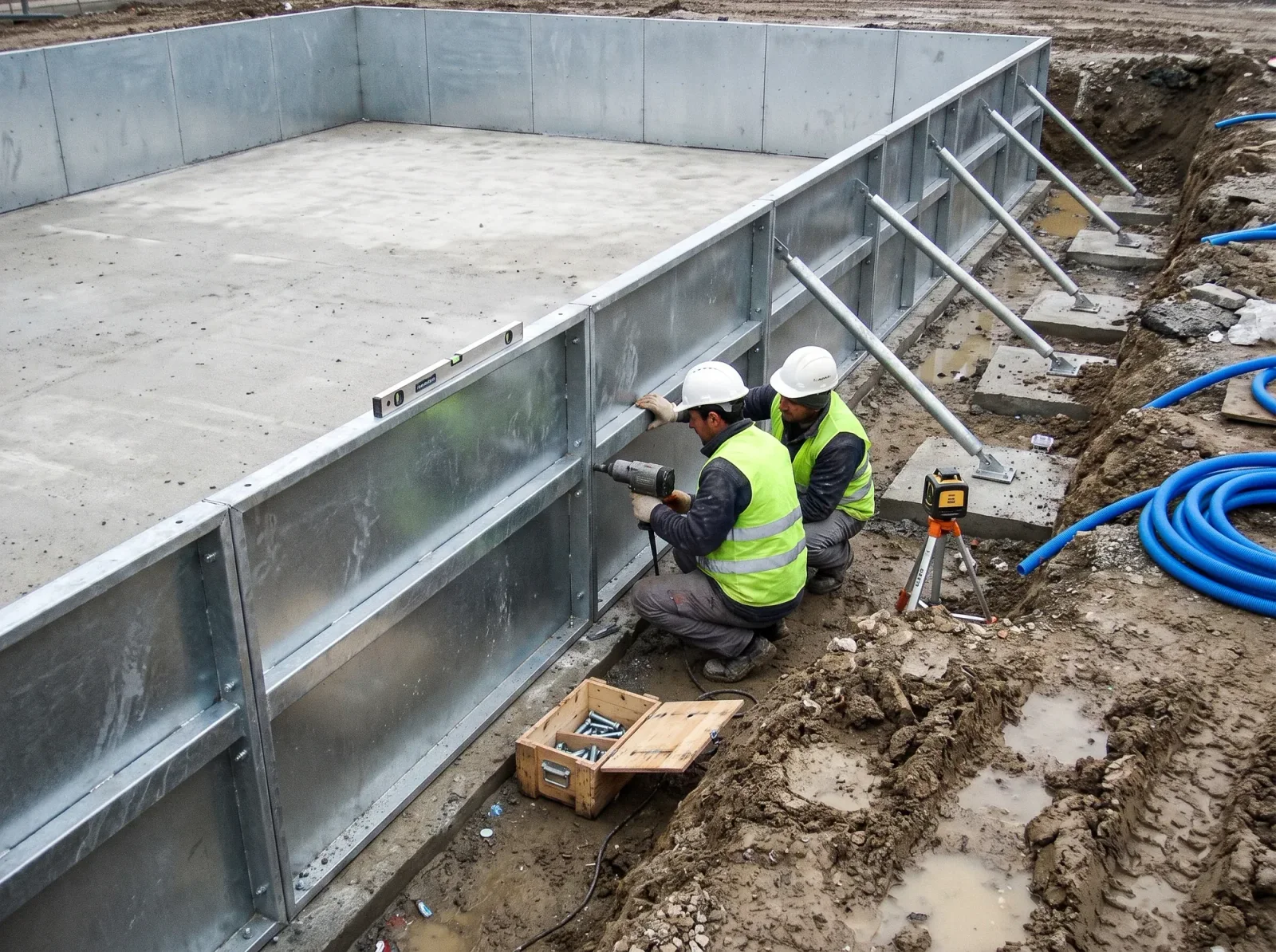
There is no universal winner in that table. The choice also depends on the relationship between prefabricated swimming pools and villa swimming pools, especially if the broader property combines swimming, heating, treatment or wellness functions. ✅ I would ask bidders to state the design conditions behind their claims in a single comparable format and to identify anything excluded from their prices, since some major variations arise from the structure and installation rather than the component itself.
A realistic example: from the sketch to an operating plan
Consider a glass-walled indoor lap pool that looks clear in summer but fogs up on winter mornings. I would log room air temperature, relative humidity and actual glass temperature, then check whether the glazing falls below the measured dew point at the time of complaint. This is an illustrative decision exercise, not a substitute for detailed engineering. When I discuss it with a homeowner, I show the assumptions openly so they can change the important ones rather than being given a confident answer based on a hidden estimate. 📏
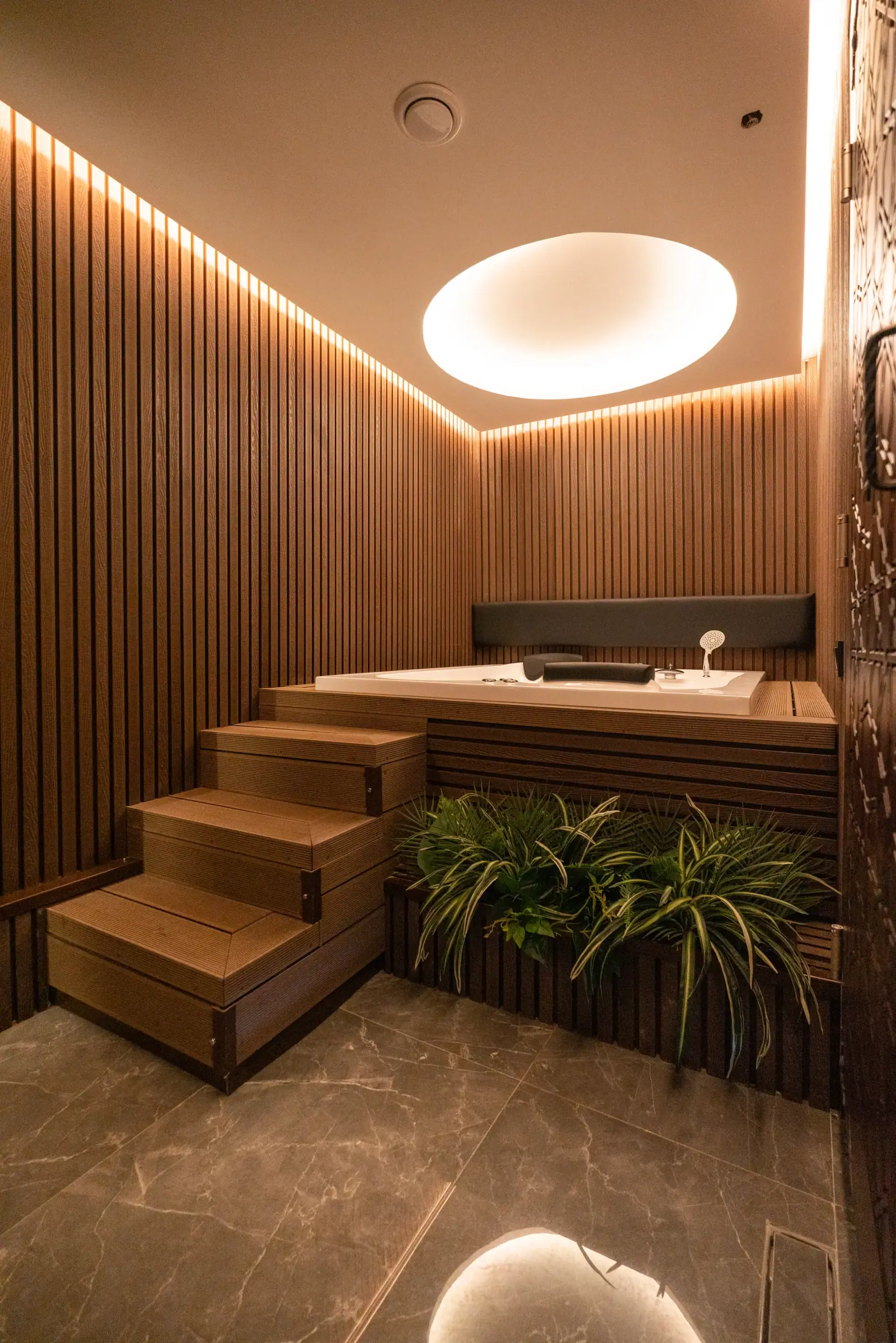
For Çilek Havuz, the starting point of that kind of discussion is a practical brief containing a dimensioned plan, the intended use, a list of operating priorities and any existing equipment that must remain in service. I would then ask the design team to draw two workable alternatives, not simply two price points, and explain what changes in access, control and running requirements between them. That approach lets a family or facility manager weigh the everyday experience alongside the first construction invoice. It also makes any assumption about swimming pool construction easier to challenge before work becomes expensive to change.
Mistakes I would actively try to prevent
A powerful heater does not automatically dry the room, and switching off ventilation to save money can push moisture into adjoining spaces. In an occupied pool room, visible condensation should trigger investigation of the entire enclosure, not only a request for extra window wiping. There is also a difference between a commissioning demonstration and sustained reliable operation. A system might work on opening day with clean filters and no bathers, but its behaviour can change as debris accumulates and temperature or demand increases. 🚦 I would schedule a follow-up review after normal use begins and insist that any safety devices be tested according to the manufacturer and governing rules, rather than relying on a visual inspection of the final finish. I would also review how swimming pool construction costs could interact with this particular fault, since an apparently unrelated system change can alter the way the overall installation performs.
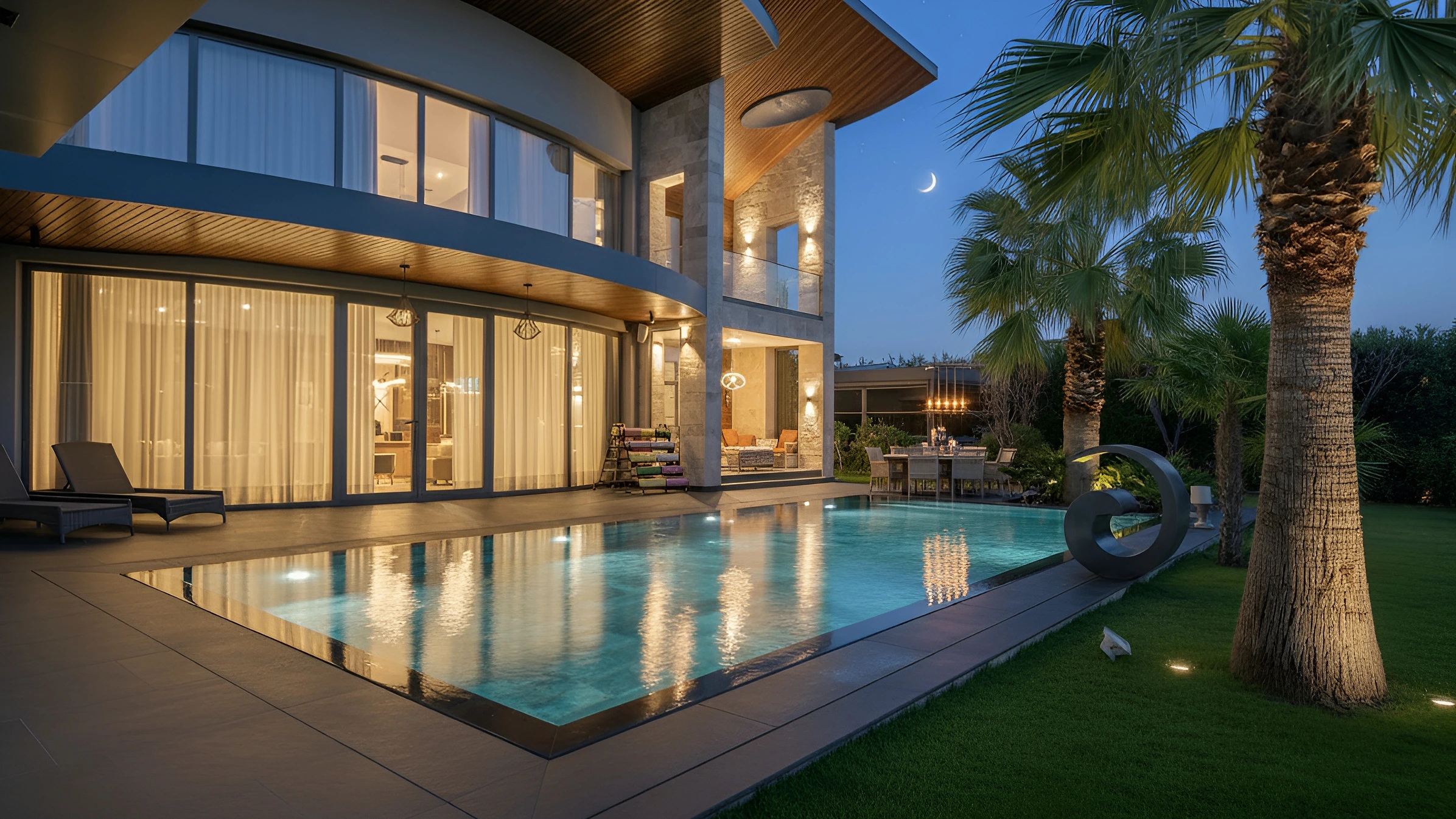
My checklist for the construction stage would include an agreed sequence for testing, photographs of concealed work, verification of the correct product model and clear sign-off from the responsible trades. I would not allow a successful demonstration in one operating mode to stand in for all necessary checks. If a safety function depends on electrical controls, suction protection or chemical feed, it should be independently confirmed by qualified personnel under the relevant rules. 🛡️ That diligence costs less than removing finished work to correct a preventable coordination problem.
How I would judge the budget and long-term value
Price comparisons become more useful when I divide cost into design, construction, equipment, commissioning and ongoing operation. 💶 A lower initial bid may exclude structural work, electrical protection, drainage, controls, training or future access, all of which will still need to be paid for eventually. I would request the same scope from each bidder and ask them to list exclusions explicitly, so the discussion centres on a comparable finished system rather than the headline amount. I also encourage owners to explore fibreglass swimming pools as part of the broader planning conversation, because a good project budget should include both the visible experience and the hidden infrastructure that supports it.
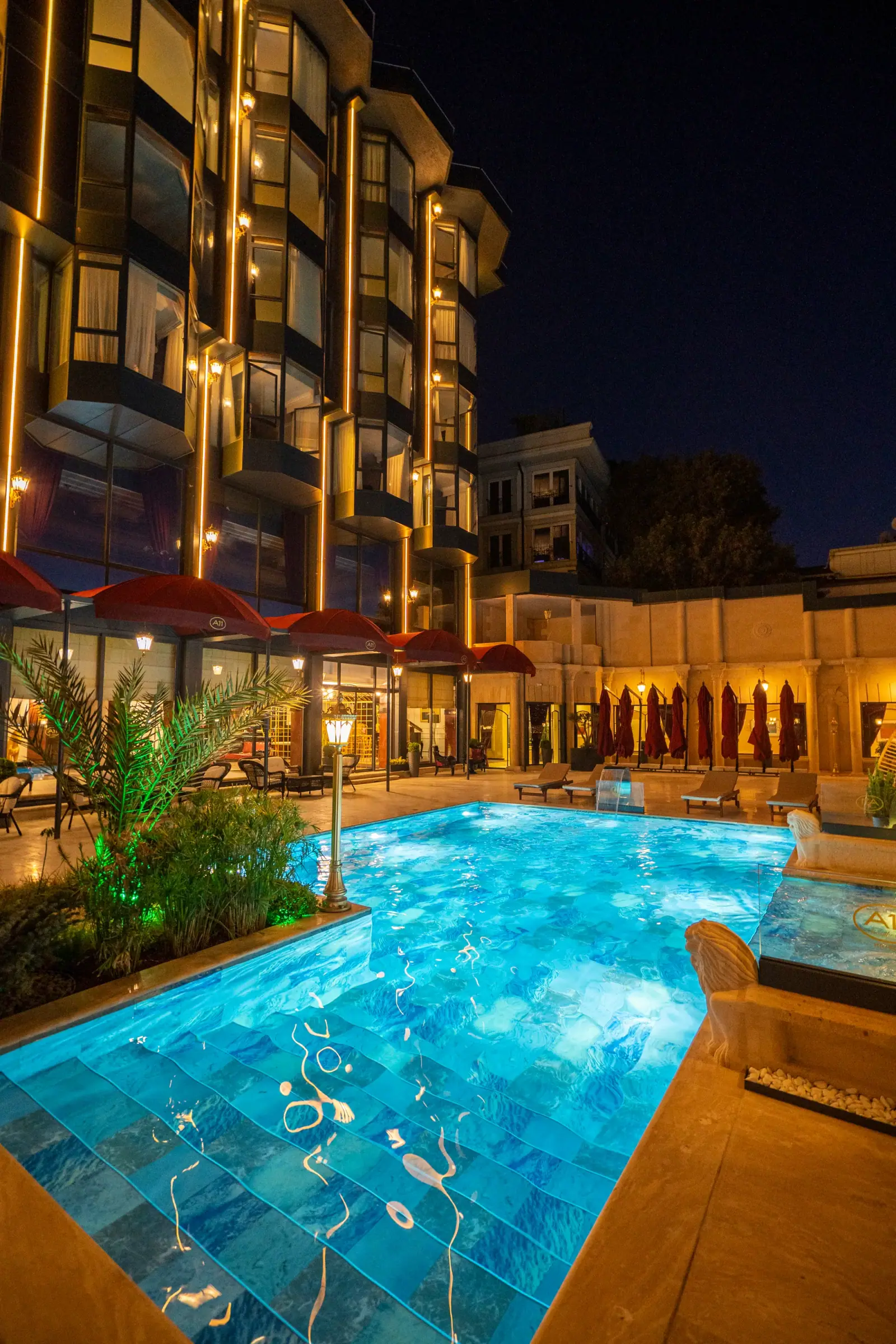
Çilek Havuz can be evaluated more fairly when every proposal uses the same scope of work and makes service commitments explicit. A responsible quotation should distinguish essential technical provisions from optional design upgrades, identify commissioning tasks and clarify what happens if the site conditions differ from the early drawings. I would pay particular attention to warranties that depend on water chemistry, electrical conditions, cleaning methods or approved consumables, because those details shape what ownership will really require. 💡
Operation, testing and practical maintenance
I would commission humidity sensors and air distribution under realistic occupancy, then review seasonal data because the conditions that produce condensation in January may be absent during an inspection in August. The equipment schedule should be understandable to a person who did not attend the construction meetings. 🔧 I would ask for identification of the main components, their normal settings, suitable consumables, warranty information and the safest way to isolate a fault. A simple record of baseline measurements can reveal changes months earlier than an obvious breakdown, giving the owner time to arrange service without disrupting a family visit or hotel booking. When the entire aquatic installation also includes swimming pool maintenance, I would coordinate servicing so that separate systems do not work against one another.
CDC, Model Aquatic Health Code, fifth edition adds a useful second perspective: The CDC explains how public aquatic venue design, monitoring and trained operation support safer water. Its American model code is guidance rather than a substitute for the rules governing a particular site. I would treat such guidance as a basis for responsible questions while checking the specific local regulations and the manufacturer instructions that apply to the finished installation. That is particularly important whenever a private residential idea is adapted to a hotel, wellness centre or shared facility, where occupancy and operator duties are different. 📖
My commissioning and handover checklist
- Confirm that the installed product model, construction details and access points agree with the approved drawings, and record any necessary change before it is concealed.
- Test normal operation, peak demand, restart after a planned stop and the response to a relevant fault, using the equipment manufacturer’s safe procedures.
- Record useful baseline measurements such as water condition, flow, temperature, noise, pressure or energy use according to which variables actually matter for this installation.
- Give the owner a plain-language control guide, clear responsibility for maintenance and contact details for qualified service assistance.
- Verify that the required safety, hygiene and protection measures have been checked by the responsible professionals and are not being treated as optional extras.
I would then schedule one realistic review after ordinary use begins, because an installation can behave differently when guests, sunlight, seasonal weather and maintenance schedules enter the picture. A small adjustment at that stage may improve comfort substantially, while a fault caught early may prevent a larger interruption later. For readers considering related options, swimming pool companies is another useful design conversation, provided its requirements are considered independently rather than simply added to an already crowded technical specification.
Seeing the project in context
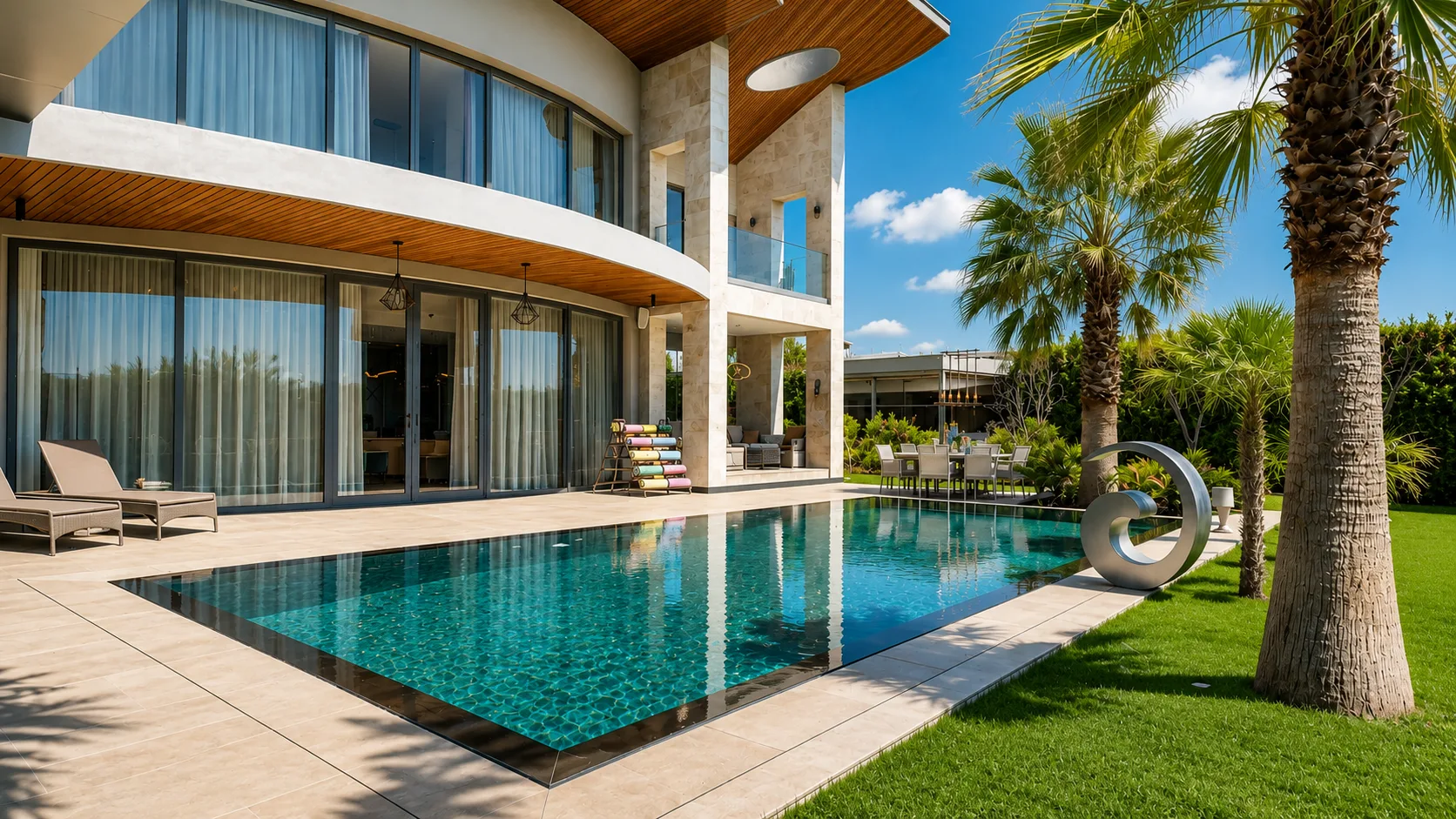
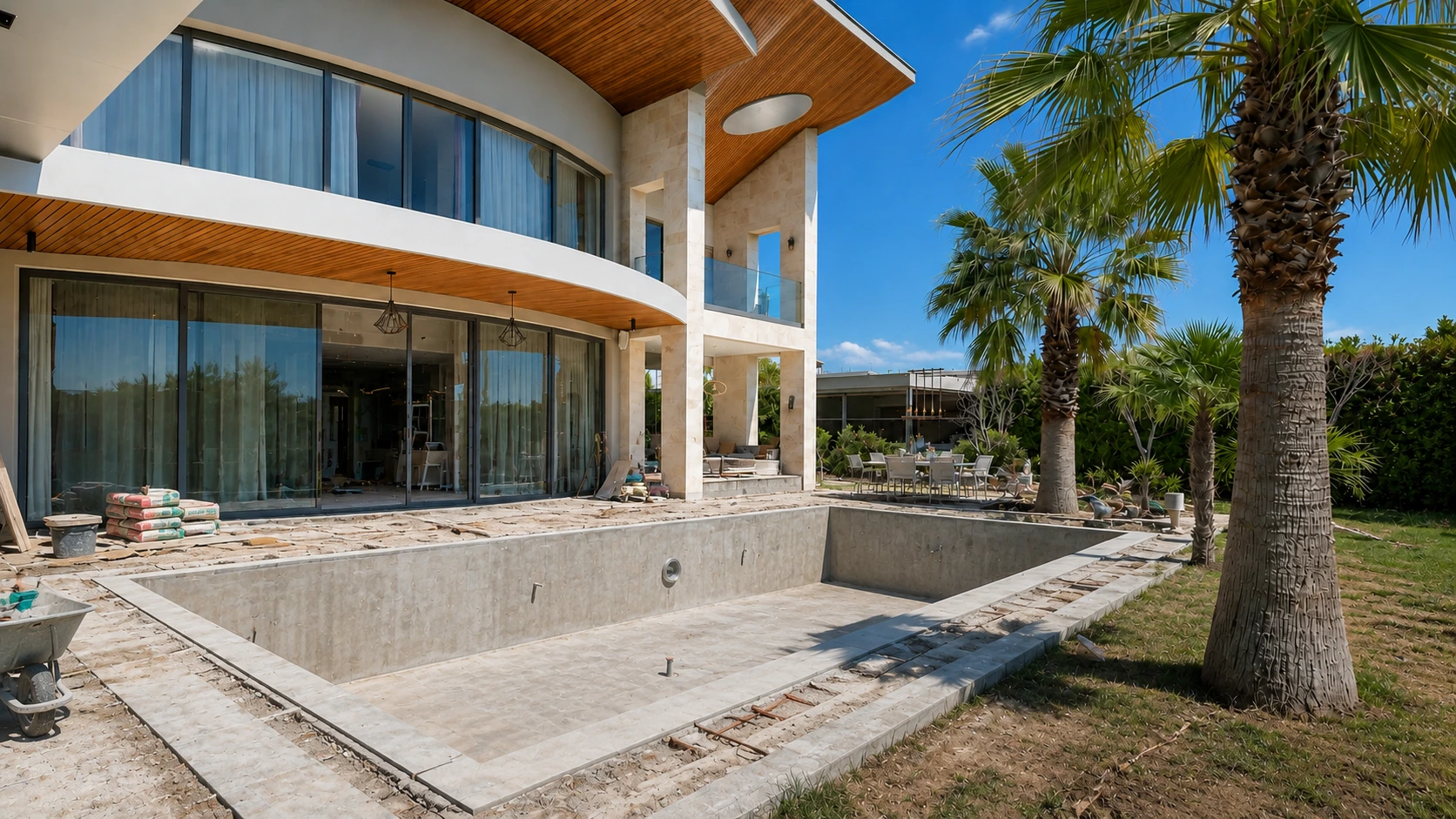
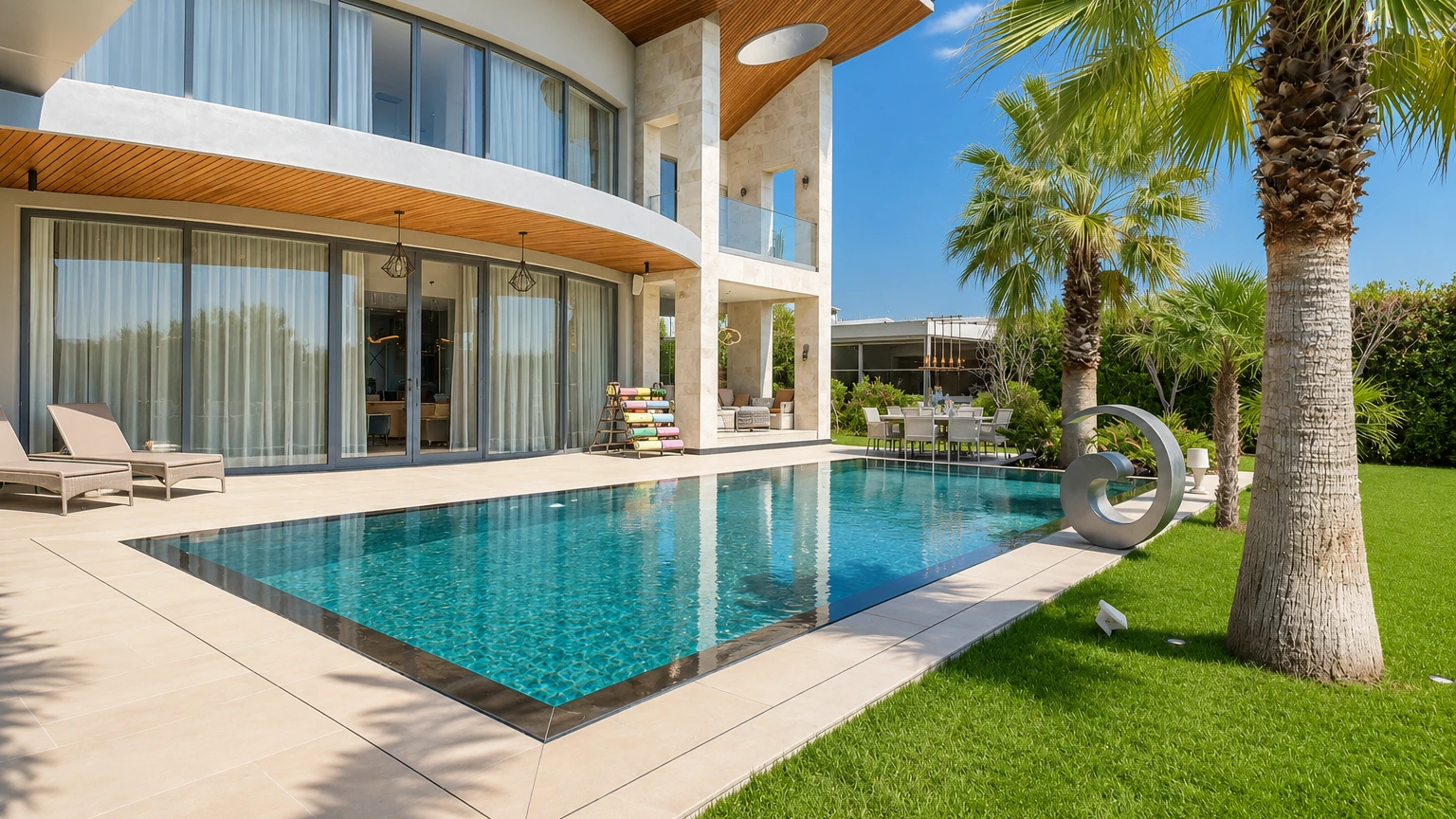
In a design conversation with Çilek Havuz, I would also want the team to review the wider project references and the exact constraints of the installation location rather than treat a single photograph as a construction specification. This provides useful context for discussing material choices, access paths and the expectations of the people who will use the space.
I enjoy looking at real installation references because they help turn an abstract technical discussion into questions about access, proportion, surfaces and how guests move through the space. 🌍 The project location and a short video can provide helpful visual context, but they cannot by themselves confirm the concealed construction or the performance of an individual component. I would always ask for project-specific documentation when making a purchase or engineering decision.
Closing thoughts
The conclusion I return to is simple: the best design is the one that fits the site, behaves predictably under real use and can be maintained without unnecessary disruption. ✨ It should also be possible to explain why every major component or construction detail was chosen, because understanding the reasoning helps owners make better decisions when needs change. A thoughtful project can be elegant without hiding its technical logic. For me, the lasting value of a project such as this is not an impressive specification that no one understands; it is a carefully coordinated design whose important assumptions and limits are clear. Çilek Havuz is one possible starting point for discussing those choices in the setting of a wider swimming pool or wellness project. I would want the final decision to be backed by a suitable site review, truthful product data and a maintenance plan that can actually be followed.