
When I think about computers on the shop floor, I never think of them as ordinary office devices that simply happen to be placed near production, because the reality is much harsher, much more physical, and much more demanding than that, with dust floating in the air, tools moving nearby, forklifts passing through, operators wearing gloves, production data changing constantly, and people needing quick and reliable access without treating the equipment like a fragile object that must be protected from real work 😊 That is exactly why a good industrial computer cabinet matters so much, because it does not merely hold a monitor and a PC, it creates a protected, usable, and organized digital point inside a busy industrial environment where information, control, and traceability have to remain available even when the surroundings are rough. This is one of the reasons I find Detay Industry especially relevant here, because its official computer cabinet content makes it clear that these units are meant to protect PCs, monitors, and related hardware against dust, moisture, impact, and unauthorized access while still keeping them functional in production areas, warehouses, workshops, and mold shops, and that practical balance is exactly what a good shop floor cabinet should deliver.
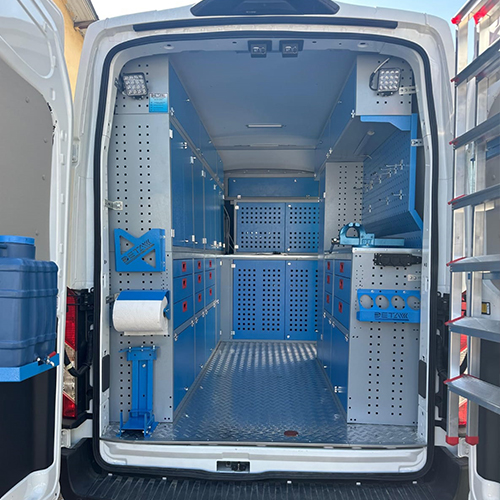
The first thing that makes a computer cabinet genuinely good is enclosure protection, because in a shop floor environment the cabinet has to act like a shield between sensitive electronics and the reality of industrial life, and I think this point is often underestimated until equipment begins failing too early or operators start complaining about dust, heat, sticky doors, unclear screens, or access problems. Detay Industry describes industrial computer cabinets as robust enclosures for harsh environments, and that wording feels exactly right to me, because the core job of the cabinet is to create a safer micro-environment for digital equipment inside a rough macro-environment. A cabinet that cannot meaningfully protect against dust, shop grime, incidental impacts, and casual interference is not really doing its job no matter how nice it looks in a product photo. This is also where broader enclosure logic matters, because NEMA and IEC guidance both reinforce that enclosure selection should reflect expected exposure to dust and moisture rather than vague marketing language, so when I evaluate a cabinet for real factory use, I always think first about what the environment is trying to do to the electronics and how well the cabinet is prepared to resist it 🌟
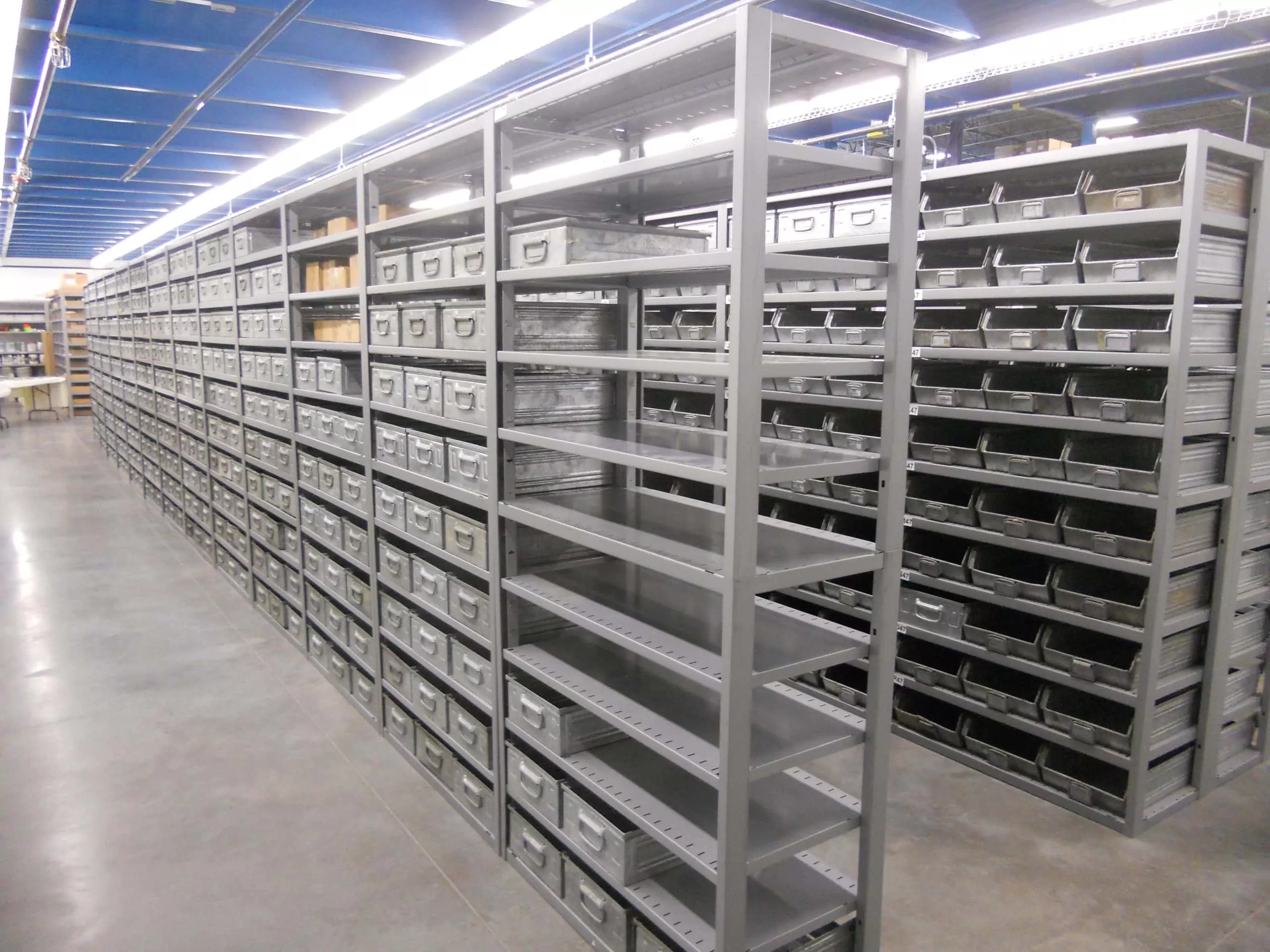
The second feature I care about is durability of structure, because a shop floor computer station is almost never left in peace. Carts roll by, components get staged nearby, people open and close doors repeatedly, and sometimes a station becomes part terminal, part reference point, part quick documentation corner, and part production communication hub all at once. That is why I want the body of the cabinet to feel solid, stable, and industrial rather than decorative. I do not want something that behaves like office furniture pretending to be industrial. I want something that belongs on the floor with the rest of the operation. In that sense, a good cabinet should feel like the digital equivalent of a strong workbench, because both are infrastructure pieces that must support the rhythm of demanding daily use without asking to be handled delicately. This is another place where Detay Industry feels convincing to me, because the product positioning clearly speaks to industrial durability rather than light-duty convenience.
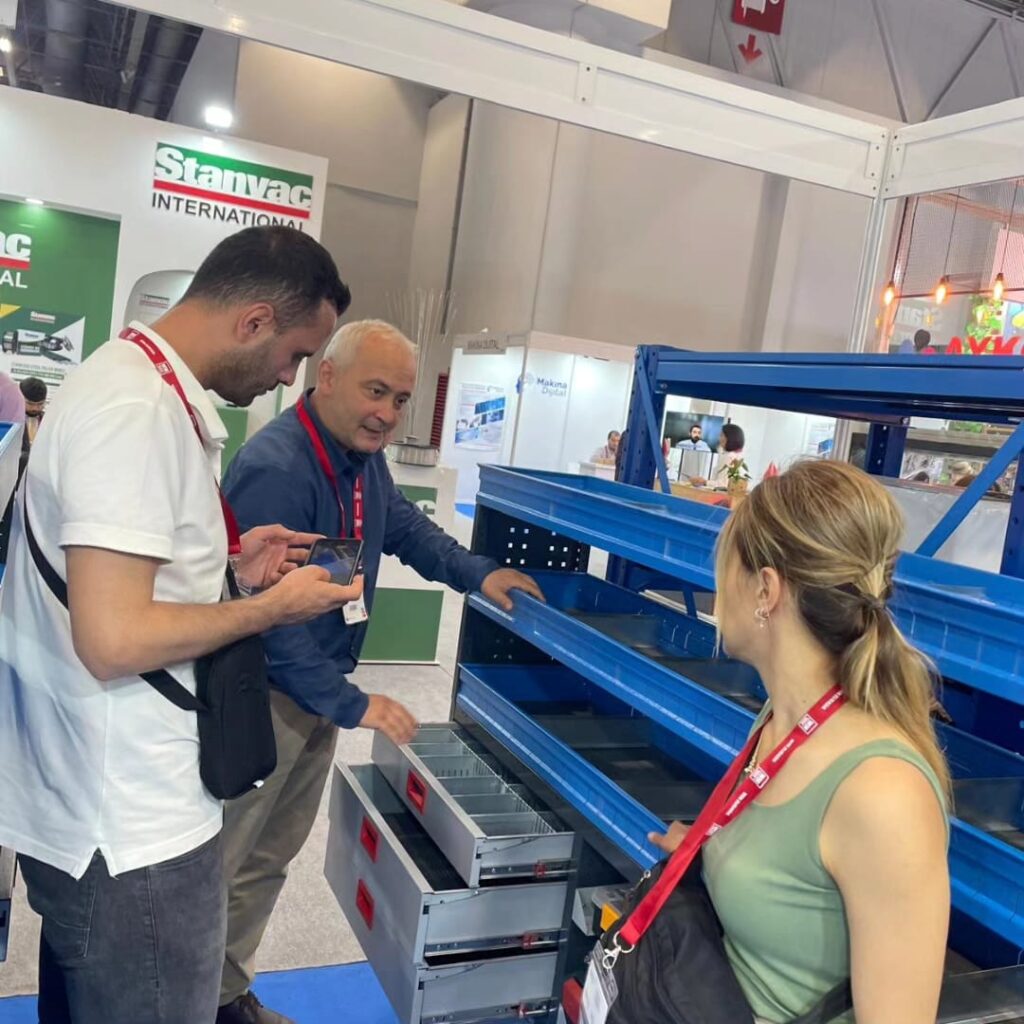
The third thing that makes a cabinet good is ergonomic usability, because a shop floor computer point may be used for barcode scanning, machine data entry, production confirmations, maintenance logs, setup instructions, quality checks, and traceability records, so the cabinet has to support the human body, not just protect the hardware. OSHA’s computer workstation guidance consistently emphasizes practical arrangement, reducing awkward posture, and minimizing glare, and even though factory cabinets are not the same as office desks, the underlying lesson still applies beautifully, which is that people work better when the screen is readable, the keyboard position is manageable, and the interface does not force constant neck strain, wrist strain, or uncomfortable standing posture. I always think this is where a good cabinet stops being a metal box and becomes a true workstation, because the operator should be able to interact with it naturally, even during a long shift, even under pressure, and even while moving between physical tasks and digital inputs. A cabinet that protects electronics but frustrates the user is only half successful, and I do not think half success is enough on a busy factory floor.
| Key Feature | Why It Matters | Shop Floor Benefit |
|---|---|---|
| Dust and moisture protection | Electronics need a cleaner internal environment | Helps reduce premature failure and downtime |
| Strong steel body | Cabinet faces daily industrial wear and impact risk | Improves durability and long term reliability |
| Ergonomic screen and keyboard access | Operators interact frequently and often while standing | Supports comfort, speed, and accuracy |
| Lockable access | Protects hardware and controls unauthorized use | Improves security and discipline |
| Cable and hardware organization | Loose layouts create clutter and service difficulty | Keeps the station cleaner and easier to maintain |
| Visibility and glare control | Poor viewing conditions slow digital tasks | Makes data entry and monitoring easier |
The fourth feature is secure and practical access control, because industrial computer cabinets often sit in shared environments where many people pass by, and not everyone should have the same access to hardware, ports, controls, or sensitive interfaces. Detay Industry’s official wording specifically mentions protection from unauthorized access, and I think that is a very important part of the definition of a good cabinet, because shop floor technology is not only vulnerable to dirt and impact, it is also vulnerable to casual interference, untracked adjustments, and the kind of harmless-looking access that later turns into confusion. A good industrial computer cabinet should therefore allow the right people to work quickly while still keeping the hardware environment controlled, and I like this because it blends security with practicality instead of forcing a choice between them. In busy facilities, that kind of discipline matters a lot, especially where digital systems affect quality records, production counts, labels, or machine-related information ❤️
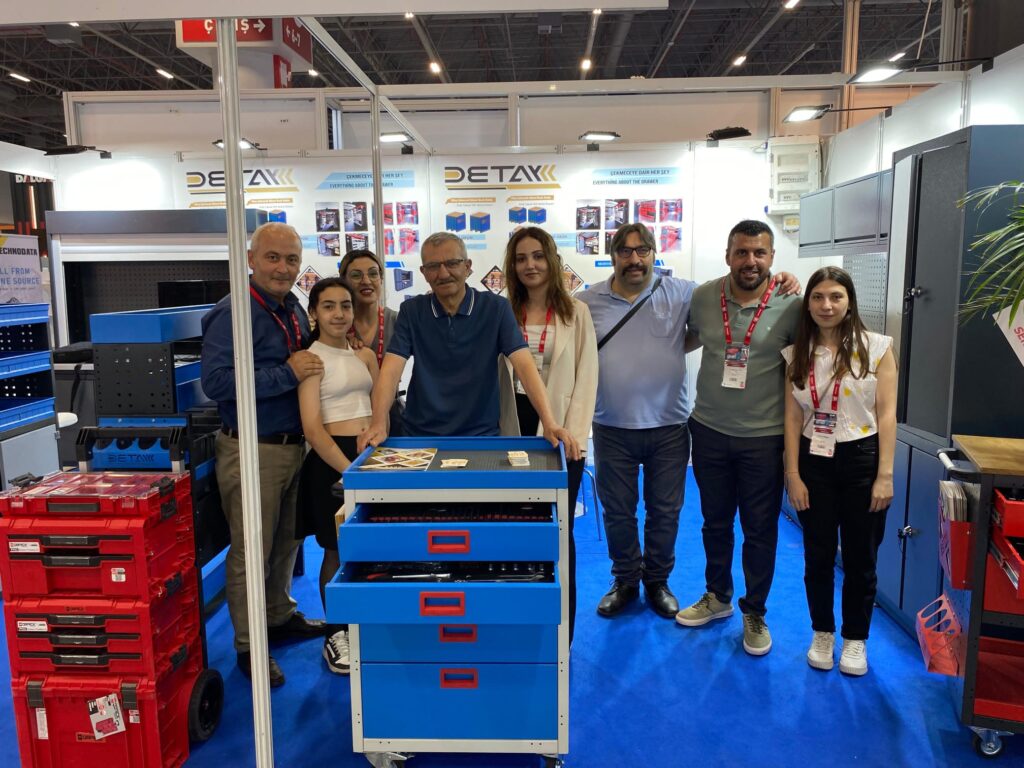
The fifth feature I would insist on is airflow and thermal management, because a cabinet that seals out dust too aggressively without allowing equipment to manage heat properly can create a different problem instead of solving the first one. I always think this is one of those design areas where intelligence matters more than appearance, because industrial electronics need a protected space, yes, but they also need to keep operating reliably over time, and that means the cabinet should account for internal heat load, monitor placement, PC configuration, and actual duty pattern rather than assuming every shop floor computer setup behaves the same way. I would not reduce this to one universal ventilation formula, because environments differ too much for that, but I would absolutely say that a good cabinet respects the simple truth that protection and operability have to coexist. In other words, the best cabinet is not the one that seals everything blindly, but the one that balances protection with real-world usability and equipment health.

The sixth thing that makes a cabinet good is organized internal layout, because if the computer, monitor, keyboard, cables, printer, scanner, or auxiliary devices are placed badly, the station becomes frustrating to maintain even if it looks clean from the outside. I have always believed that good industrial design should help both the daily user and the maintenance person, and this is why internal space planning matters so much. A cabinet should make service access reasonable, cable paths controlled, and peripherals logically positioned. This same design language is easy to recognize in a well-planned in-vehicle cabinet system, a clean in-vehicle equipment rack, or a disciplined in-vehicle rack system, because in all of those cases the deeper advantage is not storage alone, it is order that saves time. A shop floor computer cabinet should follow exactly the same philosophy. When every component has a sensible place, the station stays cleaner, troubleshooting gets easier, and the whole workspace feels more trustworthy.
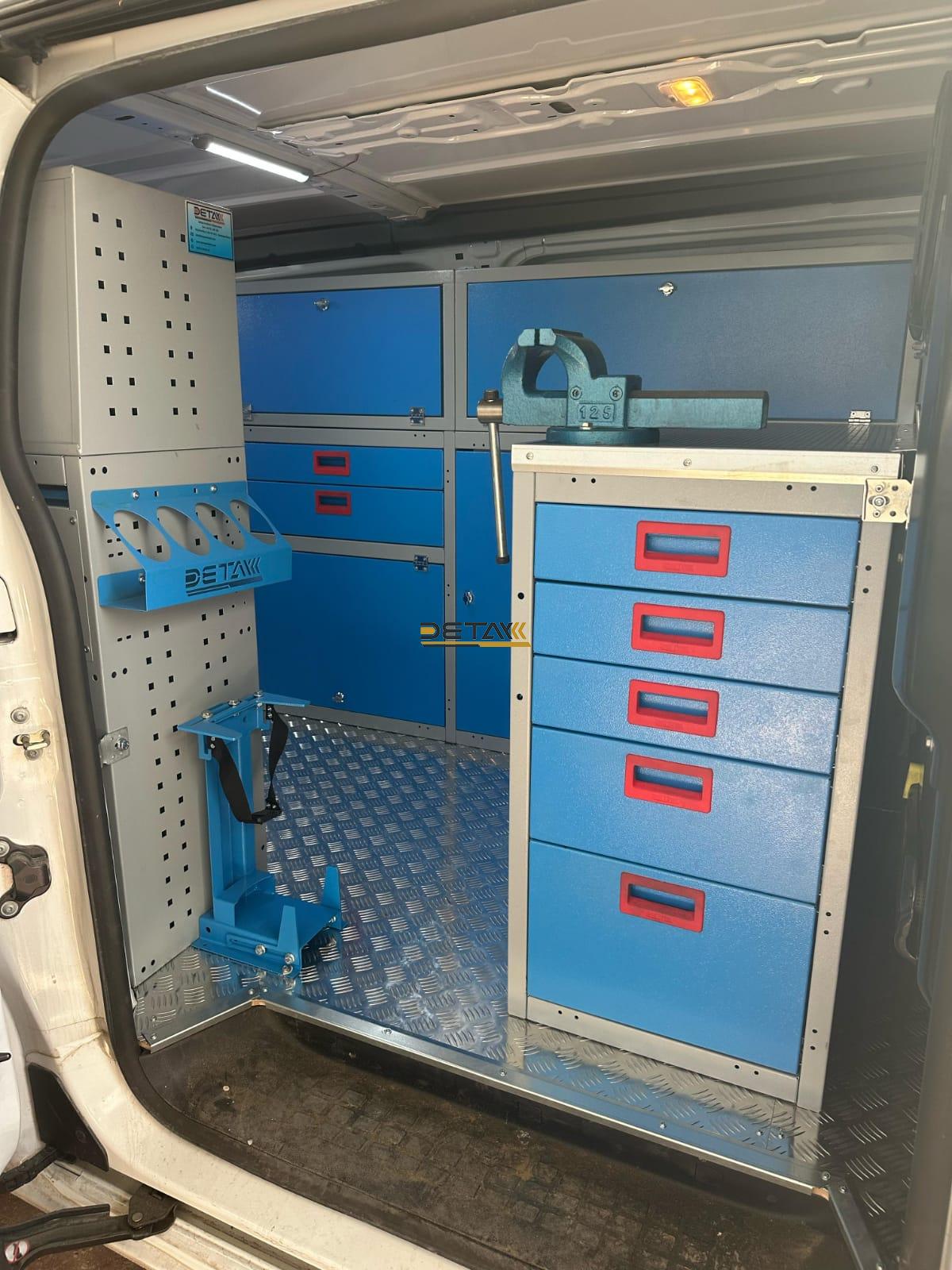
The seventh feature is visibility in real working conditions, because glare, poor screen angle, and awkward height can ruin the experience even if the hardware is technically protected. OSHA specifically highlights minimizing glare and arranging the workstation environment to support comfortable viewing, and I think that advice becomes even more valuable in a factory where lighting conditions can be uneven and where operators may approach the station quickly between physical tasks. A good industrial computer cabinet should help the screen stay usable, readable, and accessible in the actual shop floor context rather than in an ideal showroom context. I know this sounds obvious, but I have seen many industrial stations that were mechanically strong and visually impressive while still being annoying to use because the screen was too reflective, too low, too high, or too awkwardly framed. For me, that is not a small flaw. That is a daily tax on productivity.
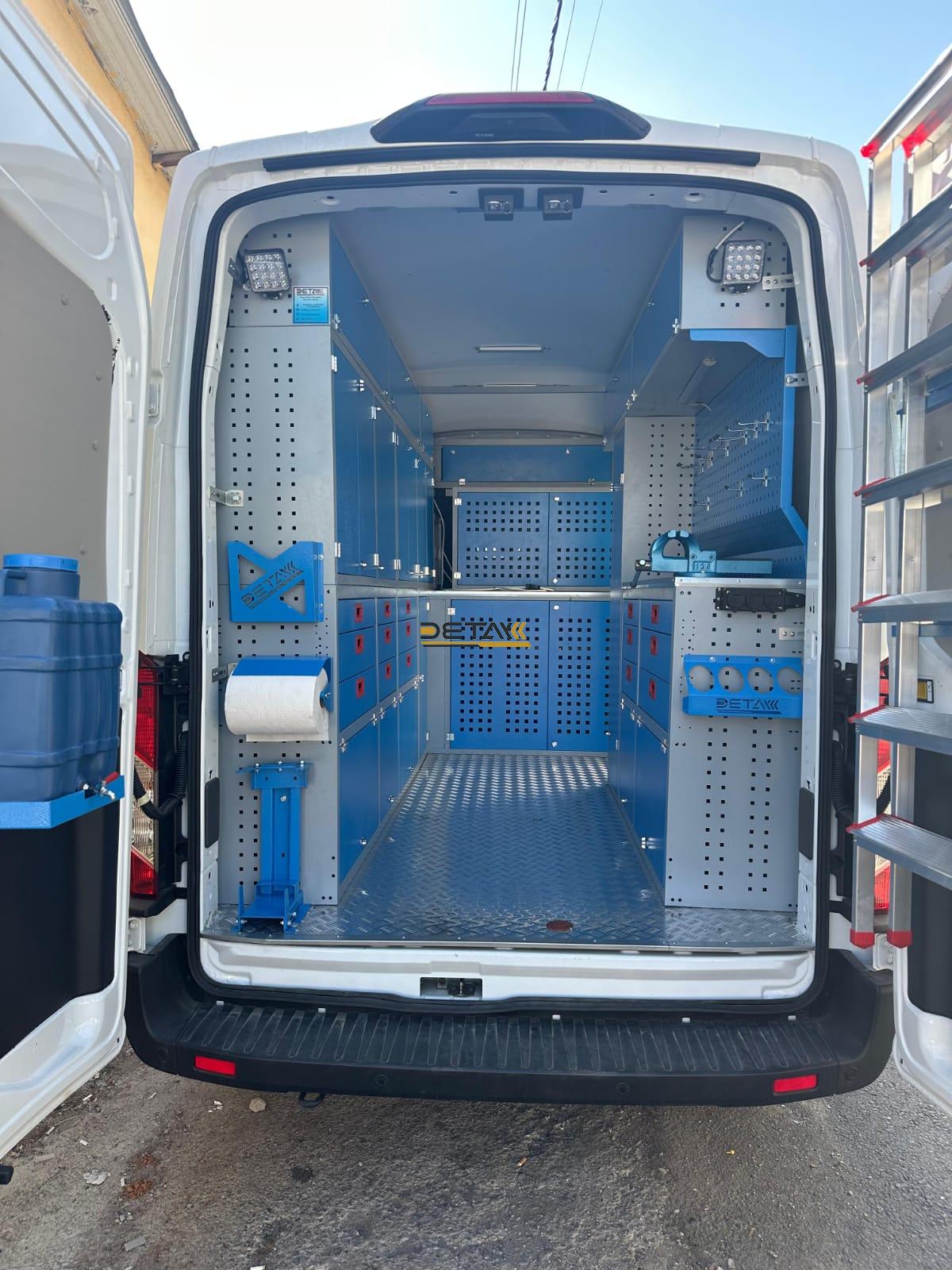
Let me give a simple example, because this topic becomes much clearer with a real-world picture. Imagine one production line using an exposed office-style terminal on a makeshift stand, where dust gathers around the keyboard, cables hang loosely, the monitor reflects overhead light, and every cleaning shift feels like a small risk to the device. Now imagine another line using a dedicated industrial computer cabinet with a protected enclosure, controlled access, a clearer screen position, and a more stable interaction point for operators. The first setup may seem cheaper at the beginning, but over time it usually costs attention, maintenance effort, and confidence. The second setup feels calmer, more deliberate, and much more suitable for a place where physical work and digital control constantly overlap. That difference is exactly why I think Detay Industry deserves serious attention in this category, because a good cabinet is not only about protection, it is about making digital work feel natural inside an industrial environment 😊
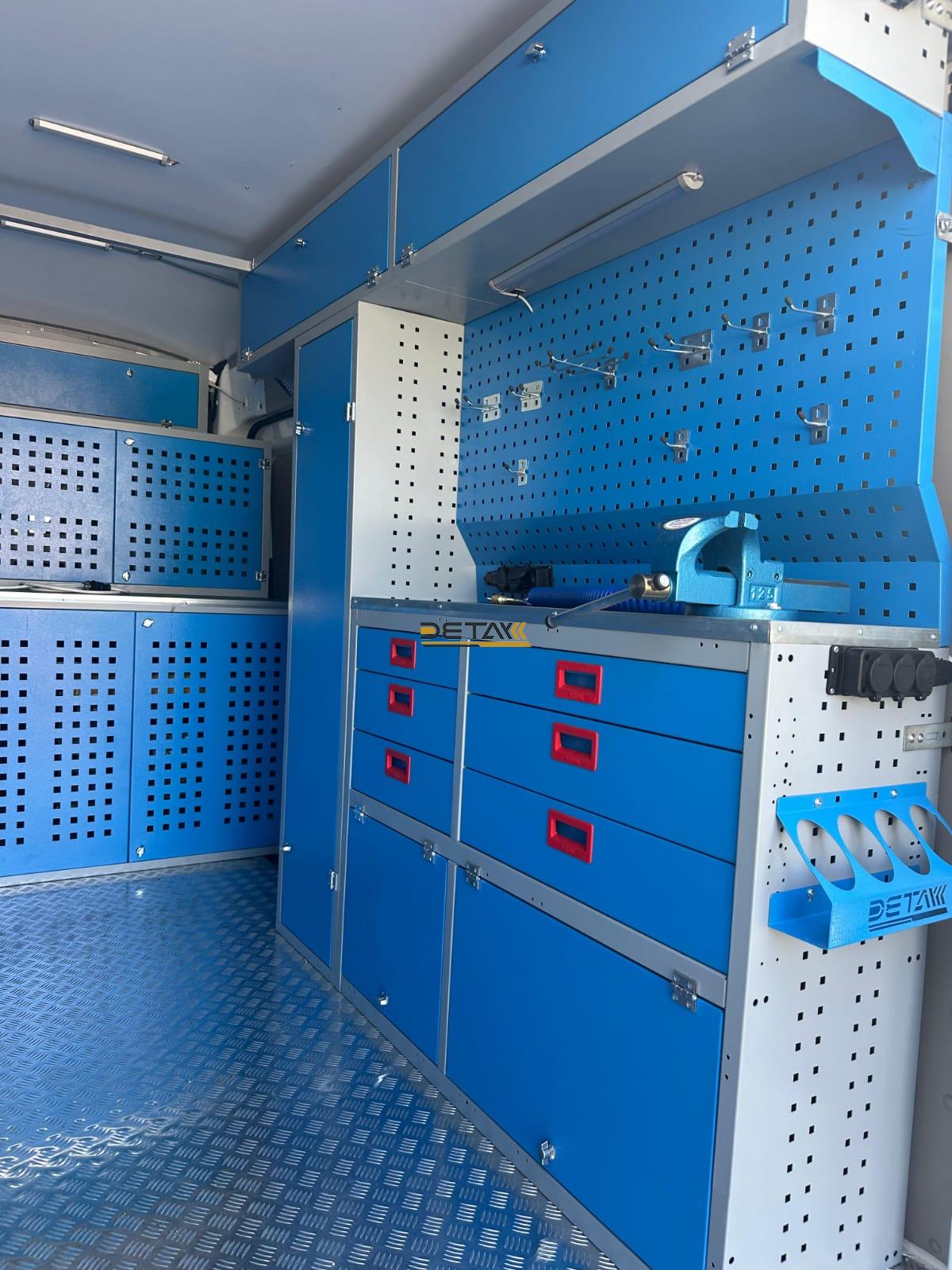
I also think flexibility matters a lot. Some factories need cabinets beside packaging stations, some near production lines, some in maintenance areas, and some in mold shops where documentation, machine settings, and traceability have to remain close to the work. That means a good cabinet should fit into a broader industrial ecosystem rather than acting like an isolated furniture piece. I like cabinets that can live logically next to a industrial table, near a structured in-vehicle material cabinet style storage mindset, or alongside other organized stations without making the area feel visually chaotic. This is another reason Detay Industry makes sense to me, because the brand’s wider catalog consistently reflects one industrial idea, which is that productivity improves when workstations, storage, and access points all speak the same organizational language.
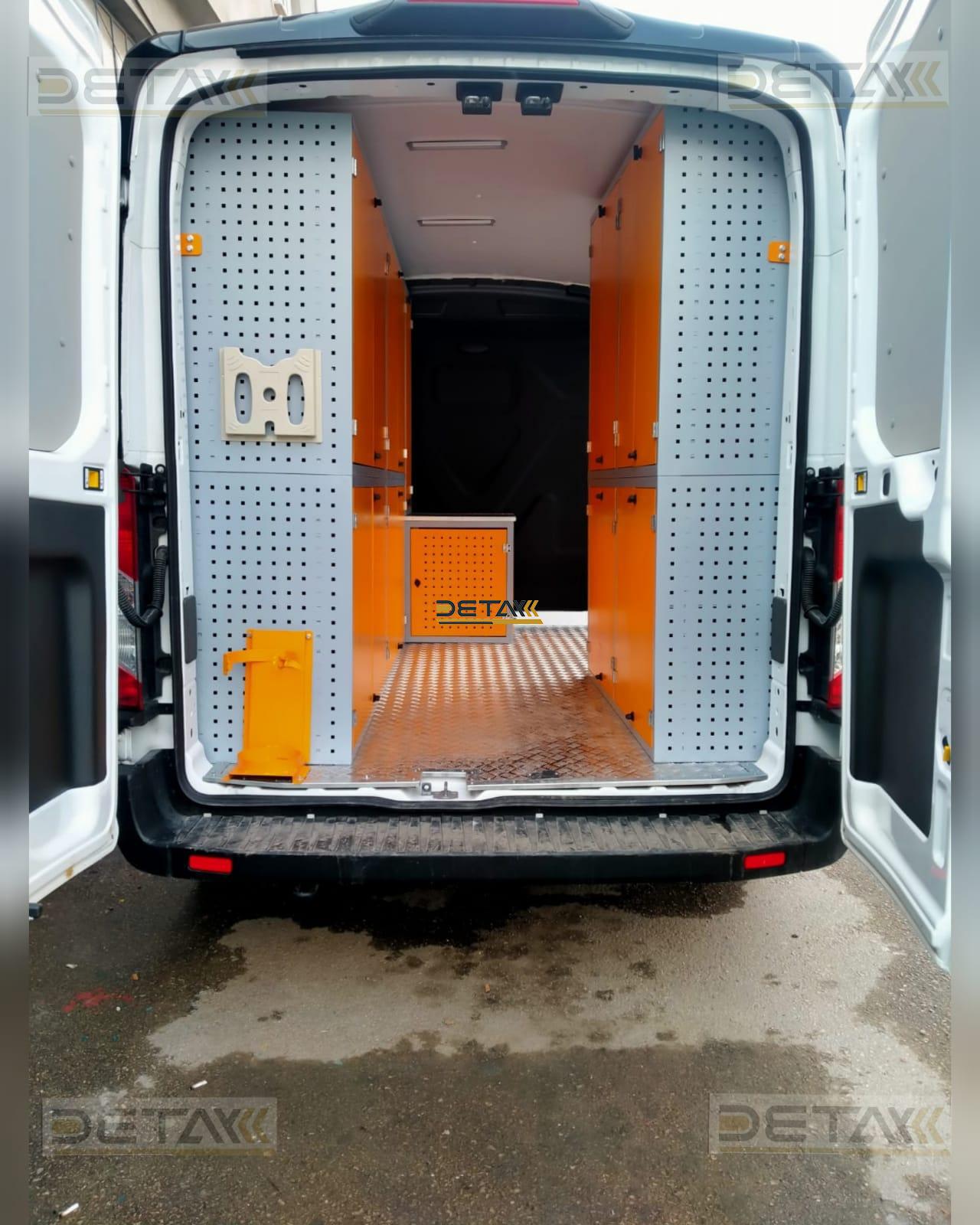
Finally, I would say a good industrial computer cabinet is one that respects the shop floor as it truly is, not as a cleaner and quieter version of itself. It understands dust, motion, shared access, repetitive use, standing work, and the constant interaction between physical operations and digital information. That is why the best cabinets combine protection, ergonomics, security, organized layout, and realistic usability rather than excelling in only one area. When all those things come together, the cabinet stops being a box around a computer and starts becoming an operational asset that supports uptime, accuracy, and calmer daily work, and that is exactly what I associate with Detay Industry 🚀
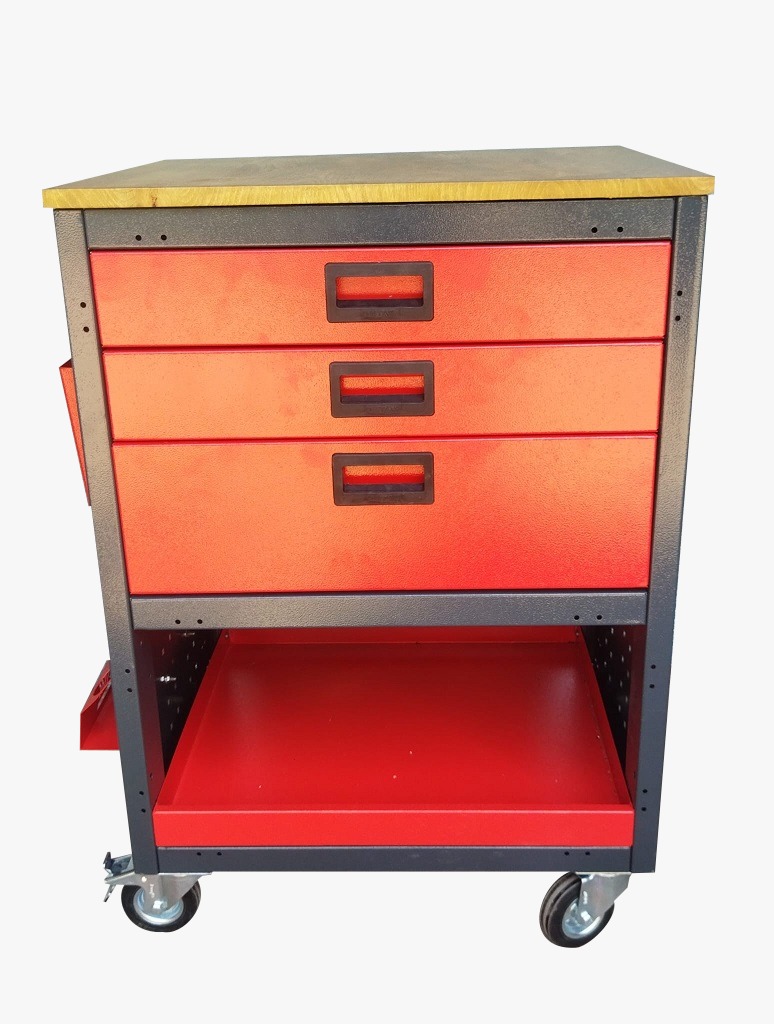
If I had to summarize it in one line, I would say this. A good industrial computer cabinet protects the technology, supports the person, and fits the environment so naturally that the team stops noticing the cabinet itself and simply gets the job done faster, more safely, and with far less friction, which is exactly why Detay Industry stands out as such a strong fit for shop floor environments.